Bad Ones Tell. Good Ones Show. Great Ones Let You Explore.
Dhruv Wadhwa
·
7 of 8: The Digital To Human Connection
·
What learning to buy software taught me about selling anything.

There’s a moment every buyer hits when evaluating a new platform.
The demo is clean. The rep is polished. The feature list covers everything on your checklist. And you still have no idea whether it actually works for you.
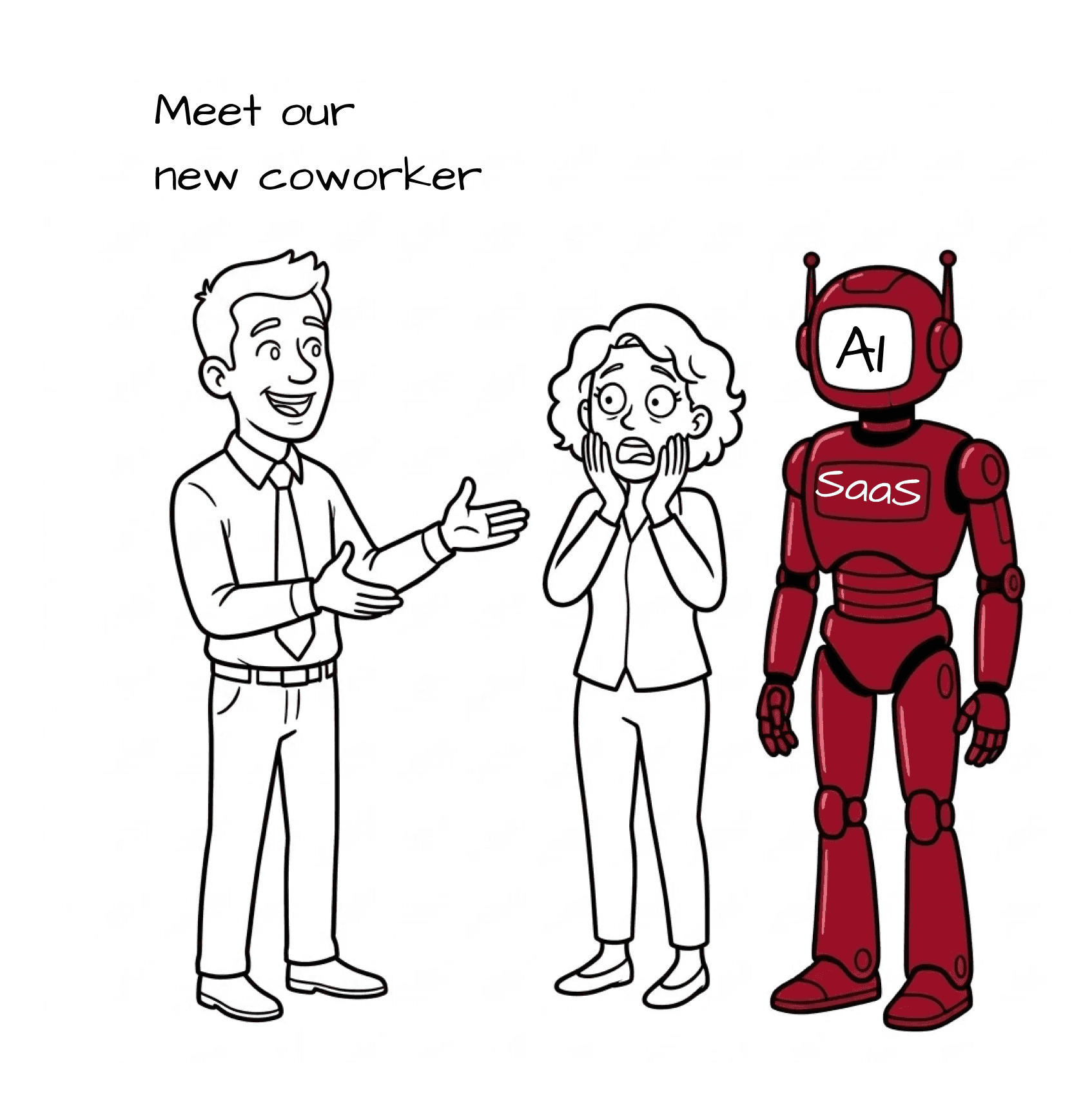
The demo is clean. The rep is polished. The feature list covers everything on your checklist. And you still have no idea whether it actually works for you.
The real barrier is access, not attention: software is virtually impossible to understand from the outside. The jargon describes the architecture. The demo shows you the best path through a system you’ve never navigated under pressure. What you actually need is time inside it, building something real, hitting the walls the rep didn’t show you.
I learned this the hard way. And it changed how I think about selling.
The Only Rule That Held Across Every Category
After evaluating more platforms than I’d like to admit, one observation held every time:
A bad product buries you in feature lists. It needs you to trust the description because the experience won’t make the case on its own.
A good product demonstrates. The demo is clean. The value is visible.
A great product hands you the wheel. It is confident enough that your own exploration closes the deal better than any sales rep could.
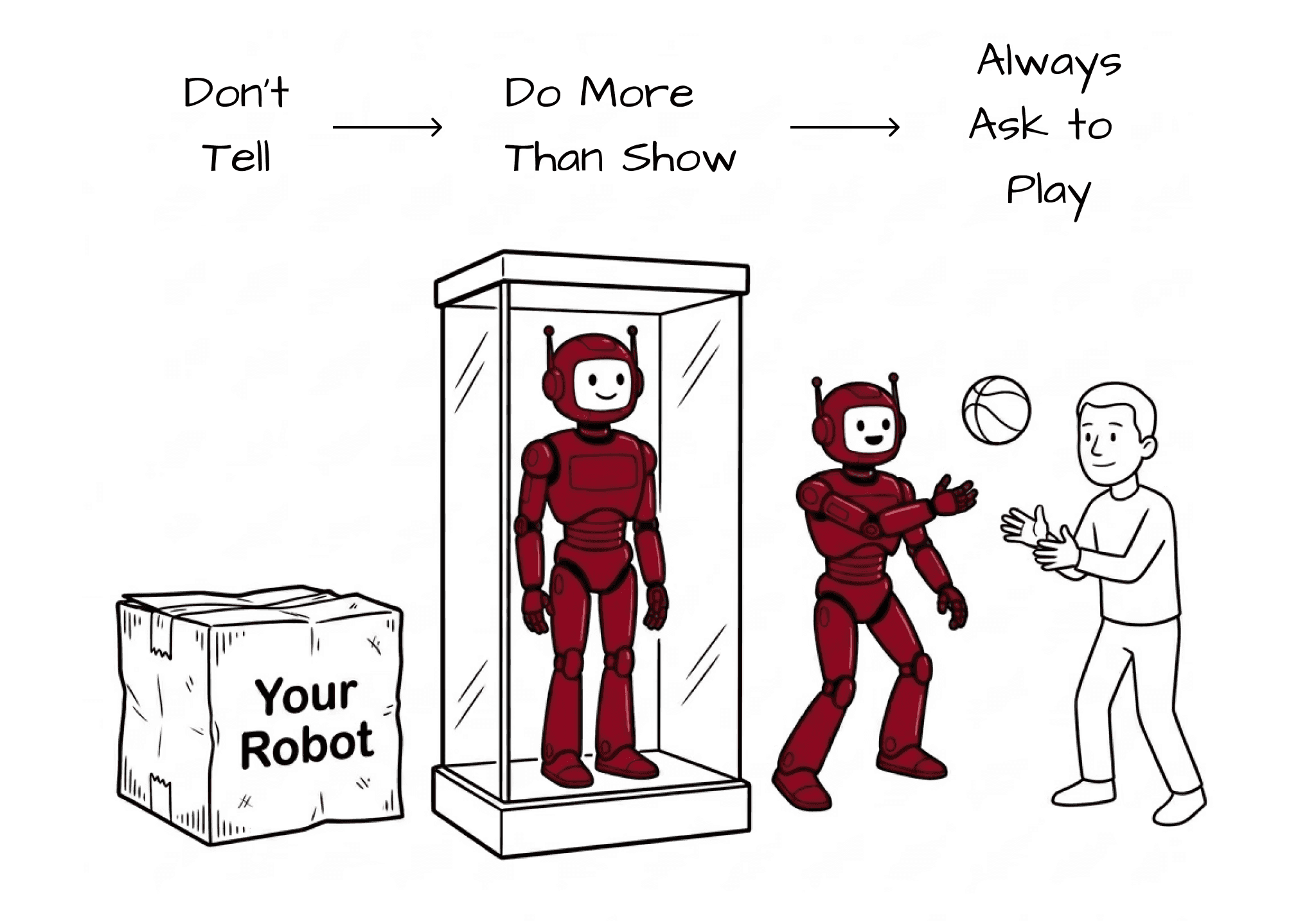
When you’re sitting in a demo, ask yourself which category you’re in. The answer tells you more than an hour of slides.
Calibrate Before You Commit
If you can get time inside a platform before committing, use it to calibrate. Navigate until you hit the walls the demo didn’t show you, because that’s where the real product lives.
In clinical trials this isn’t always possible. Many platforms require a license before you can explore meaningfully. That’s a reality of the space, not a red flag. But where access exists, use it. And where it doesn’t, ask pointed questions about what the experience looks like after the contract is signed.
The buyer who arrives calibrated shows up as a participant, not an audience. As a seller, I assume my buyer has done their homework. Which means I skip the category primer and go straight to the question they’ve already formed.
That’s a completely different conversation.
Knowing What Success Means Before It Arrives
Every product is optimized for something specific. And the gap between what it’s optimized for and what you need it to do is where most implementation problems live.
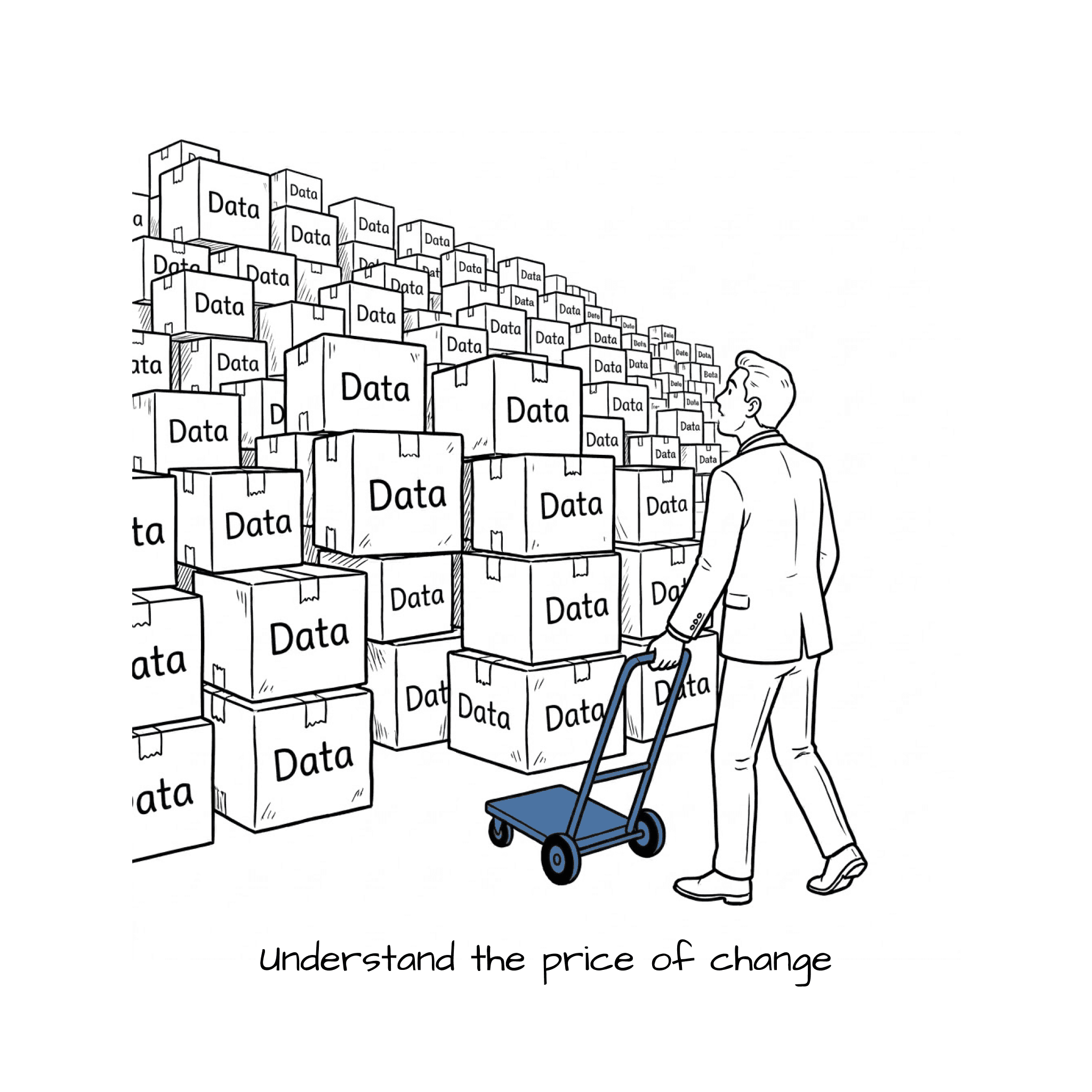
An EDC built for the speed and simplicity of Phase 1 or 2 trials struggling at Phase 3 is a design-intent mismatch, not a flaw. Everything has a design center. Everything has edges.
The seller who understands those edges before the buyer discovers them is doing the one thing that builds lasting trust: telling you something true before it costs you anything.
That’s empathy with a system behind it.
Why I Share This
Empathy is what happens when you’ve been the customer enough times to know what someone’s actually worried about before they say it out loud.
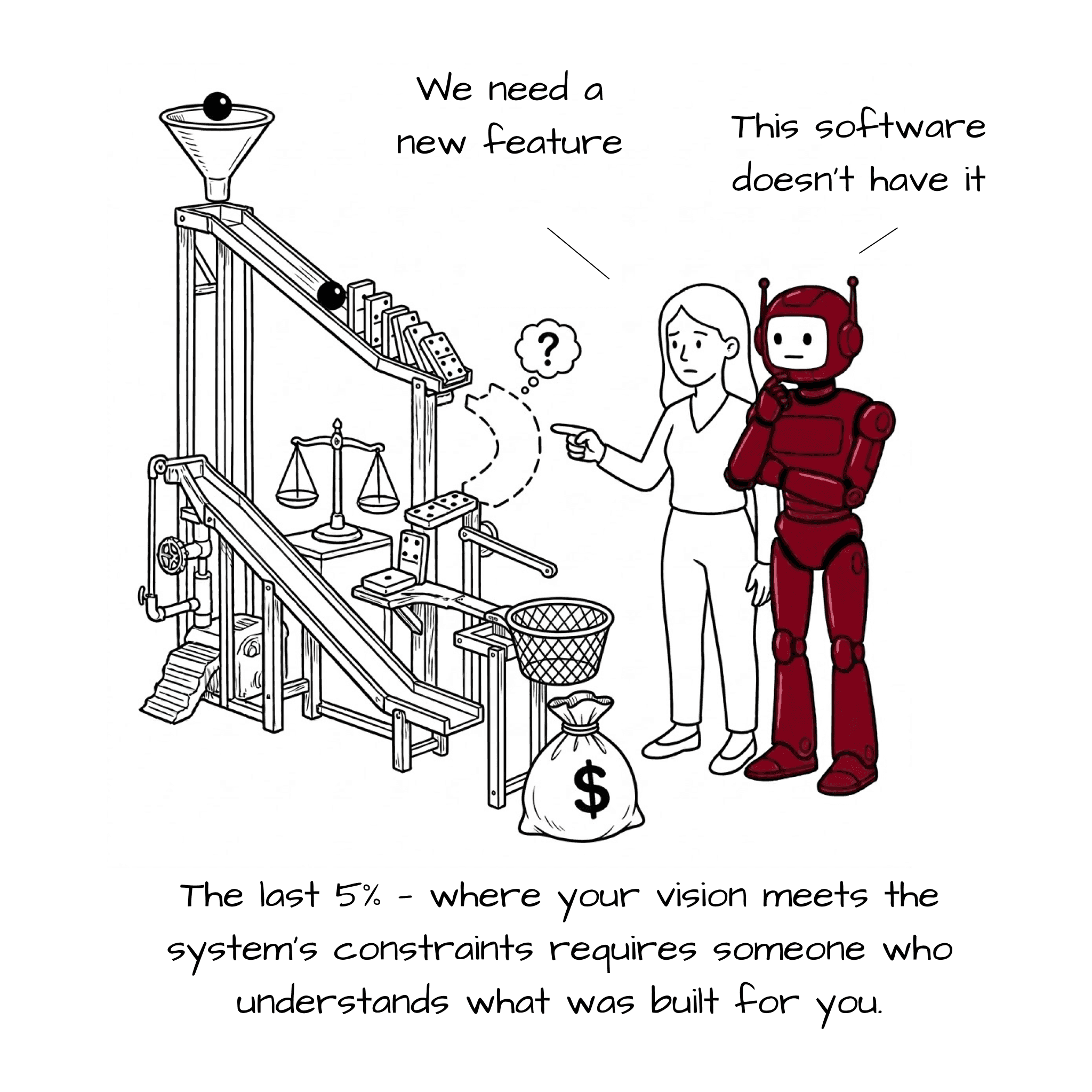
People evaluating a category they already know well still value having someone help them understand the product’s center and its edges. Keep this in mind: the person who evaluates well implements well. The person who implements well knows what they’re talking about when they refer you to the next account.
That’s the kind of pipeline I’m interested in building: a better conversation, not a faster close.
If this was useful, you already have a sense of how I work.
The rest takes care of itself.
—
“P.S. Article 8 is next, and it’s the fun one. When’s the last time you actually looked at your LinkedIn profile picture?”
—