How Do You Make a Color Brighter? A Business Development Solution
Dhruv Wadhwa
·
4 of 8: The Digital to Human Connection
·
Your Team Can Test What Your Brand Cannot.

What if the most underutilized asset in your go-to-market strategy is already on your payroll?
If you want a color to appear brighter, you don’t add more of it. You paint what’s next to it duller.
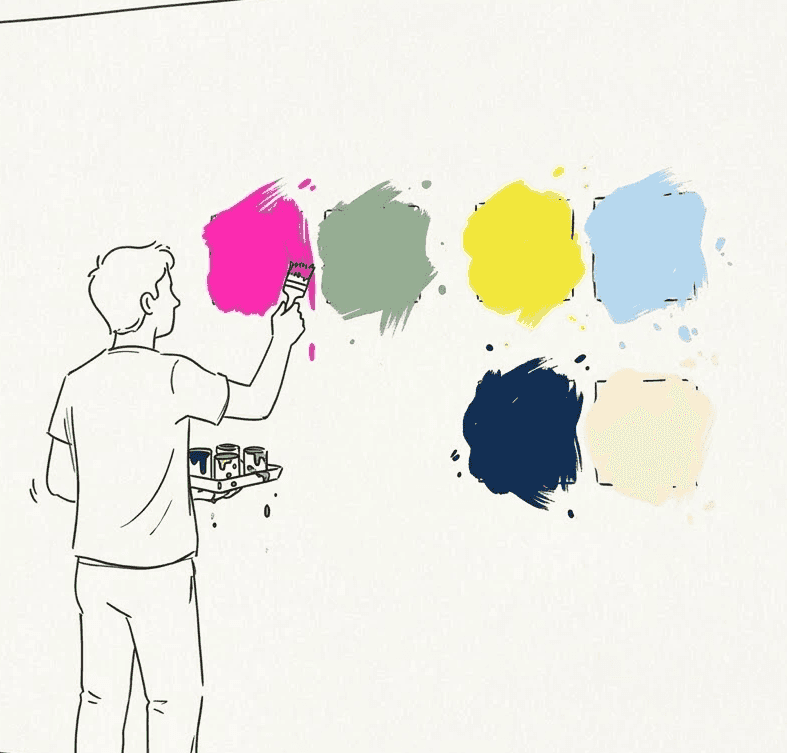
That’s contrast. And it works the same way in a crowded inbox, at a conference booth, or in a pipeline full of vendors who all sound the same.
Bright next to dark. Simple next to complex. Human next to corporate.
Your brand already has a color. The real question is whether your team is testing around it, and whether that testing is actually built to move your pipeline.
When a Brand Gets Lucky
I got an email from Denver Water last month about water main replacement in my area. I was annoyed before I finished the first sentence.
Then I saw the contact address: WaterUDoing@denverwater.org.
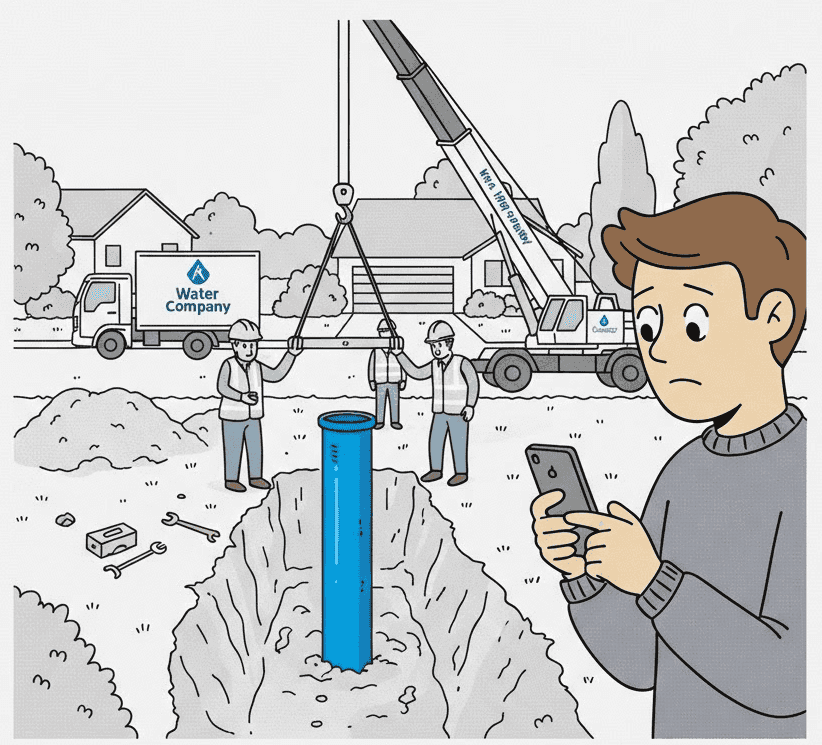
I smiled. No campaign brief. No strategy session. Someone just decided to show up differently than their environment expected.
It worked. But moments like that fall into two categories: things you engineered, and happy accidents. Could Denver Water repeat this on demand? Could your brand?
When a Brand Tries to Engineer It
I watched ProofPilot attempt to solve this deliberately. Their website looks like every other clinical trial software company: two sterile colors, standard layout, muted palette, compliant and forgettable at first glance.
In person they showed up differently. Tom Cruise lookalikes at conferences. Aviators on their reps. A two-year effort to make the industry associate one word, pilot, with one company.
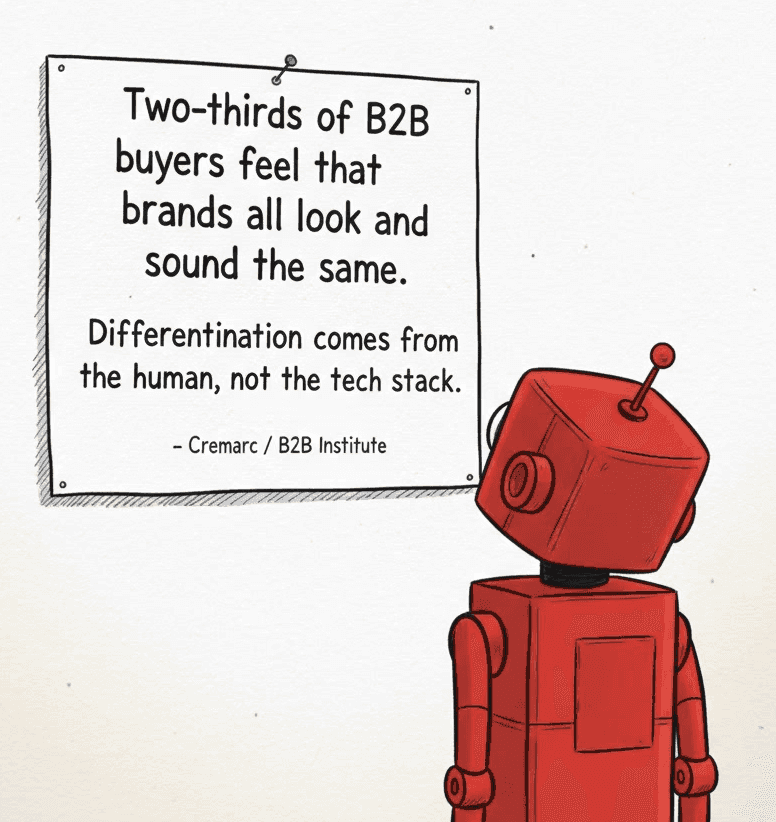
It worked, but ProofPilot needed a budget and a costume to manufacture contrast at scale.
When Your Rep Is The Budget
For two months I emailed an innovation lead I wanted to meet. Once every two weeks. Never more than a sentence. Always something worth reading.
In between, I sent one email that just thanked her for reading. Wishing her well over the holidays. A human moment and still no ask.
Three weeks later she reached out. She’d be at a conference I’d mentioned and asked to meet.
No budget. No costume. Just the instinct to show up differently than every other rep in her inbox, and the patience to let it work.
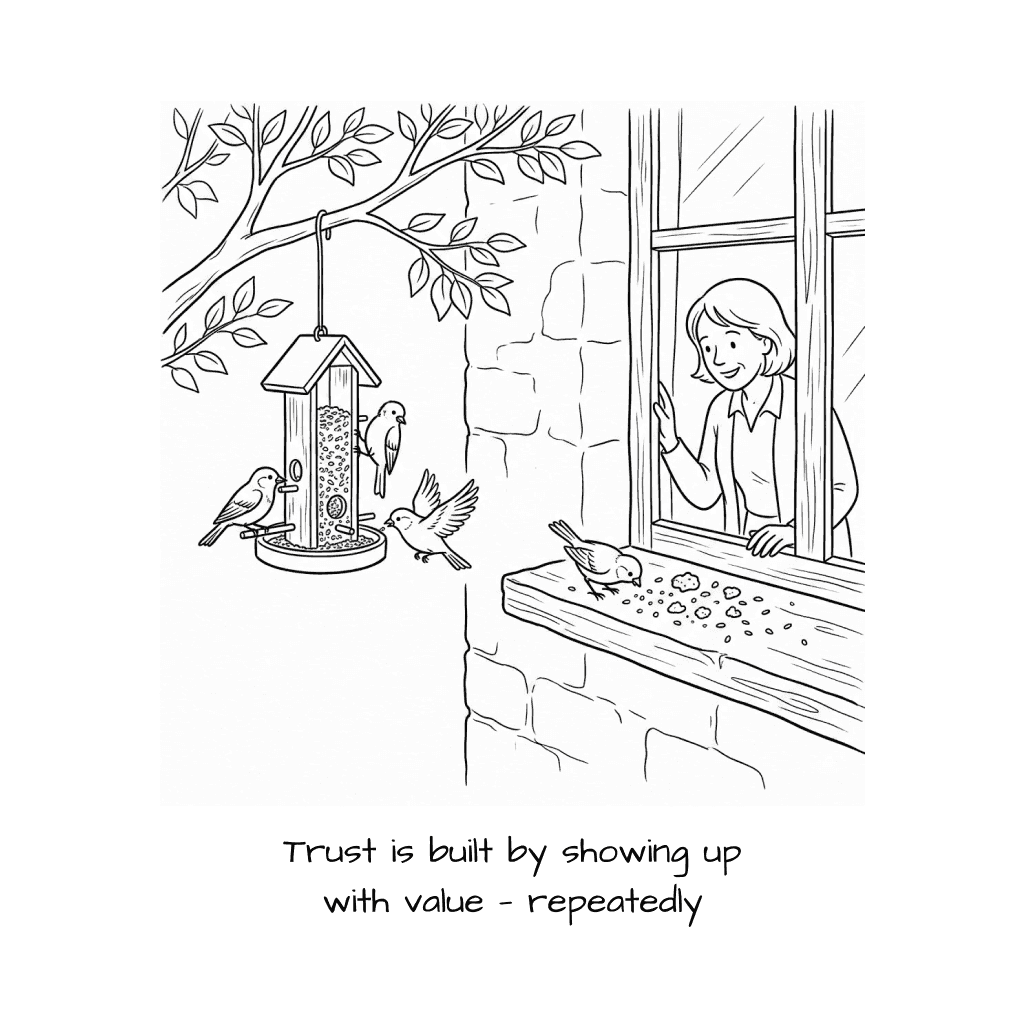
Advanced personalization generates double the response rate of generic outreach. Most reps know this. Few execute it over months without asking for anything. That’s not a sequencing tactic. That’s judgment.
When Instinct Meets a System
Last year I ran the same ad twice. Same copy. Same offer. Same audience. One pink background. One yellow.
Women clicked pink. Consistently enough that I noticed. I rebuilt the funnel around that segment. The numbers went up.
I didn’t change the product. I didn’t change the message. I changed what the message was sitting next to.

That’s the same instinct that sent months of emails before making an ask. The same instinct that broke a sequence with a holiday note and waited. The difference is that in eCommerce, the feedback is fast and the data is visible. The principle can be locked into a funnel that compounds.
In B2B, that same advantage has to be built on purpose. Nobody stumbles into it by accident.
What Your Pipeline Is Missing
The companies pulling ahead aren’t spending more. They have someone who reads the signal from a pink and yellow ad and rebuilds the funnel. Someone patient enough to give value for months before making an ask. Someone who understands why a holiday note can do more for trust than a year of templated outreach.
Personalized CTAs and tailored outreach convert over 200% better than generic messages. The data isn’t actually the interesting part. What’s interesting is that most companies leave this advantage sitting idle because nobody owns both the content and the relationship at once.
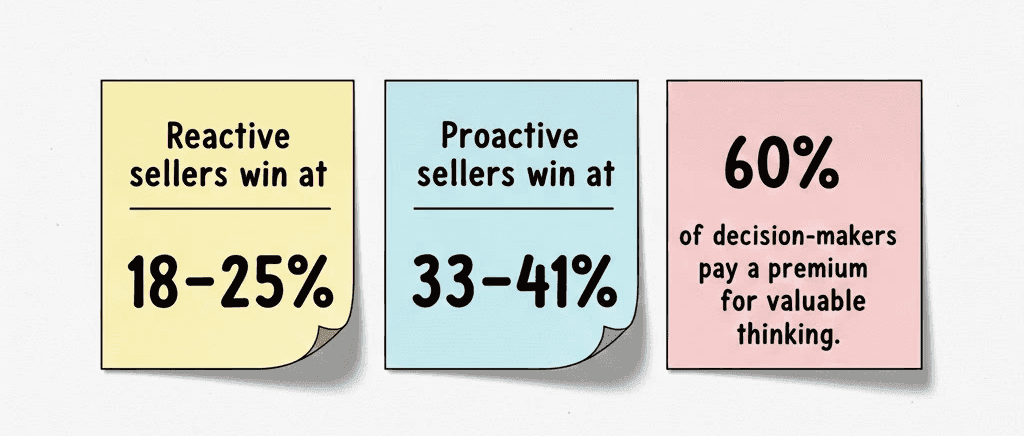
Your rep is already executing contrast. In individual emails. In conference conversations. In well-timed sentences that open doors a campaign never could.
The question isn’t whether that instinct exists on your team. It’s whether you’ve built anything that captures it.
—
P.S. Article 5 is next. They liked us. We lost anyway. Here is what pitching to a room full of operators taught me about where promising leads actually go to die.
—