
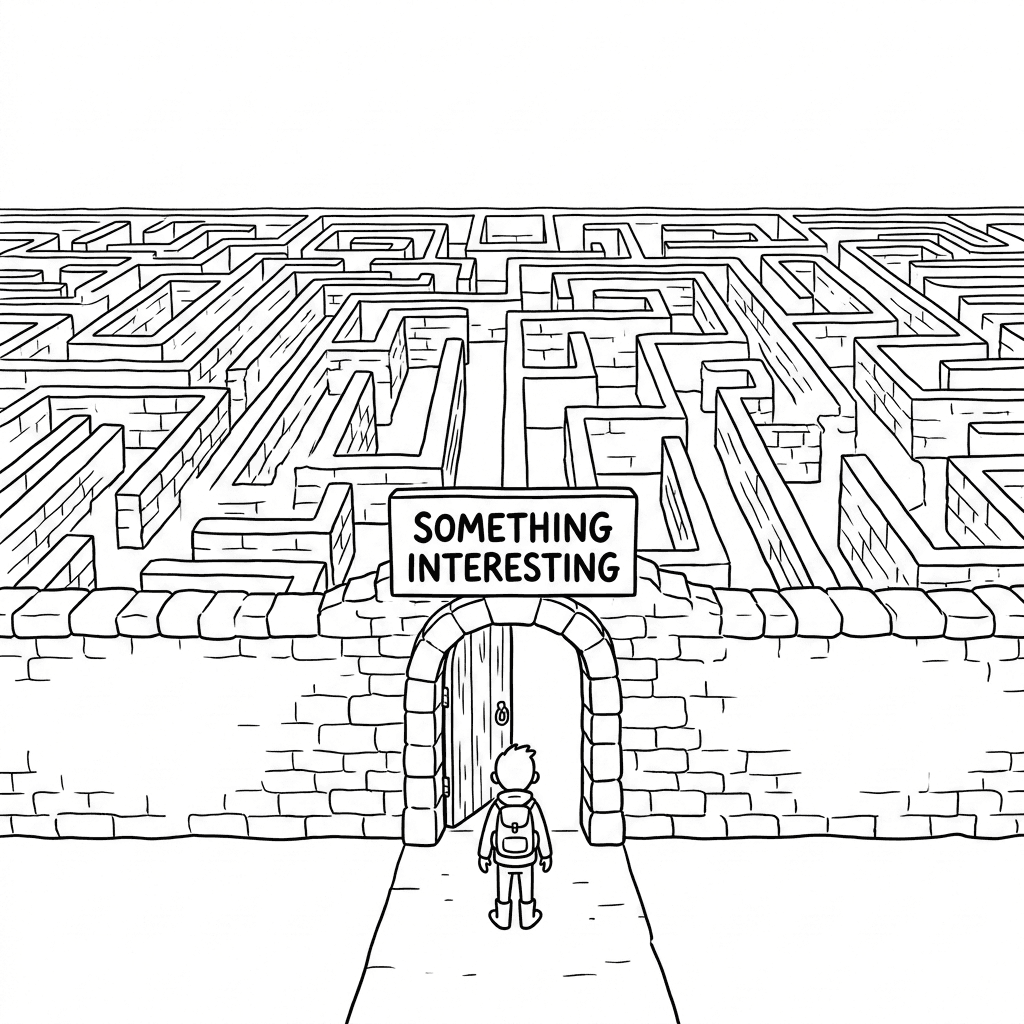
I Was Creating Pipeline I Didn't Know How to Keep
6 of 8: The Digital To Human Connection
Reps test. Systems compound.
At every cardiac monitoring conference I attended, I'd pull out a small three-lead handheld device and invite people to take their heart rate.
Without fail, some readings came in high.
And without fail, that led to genuinely fun conversations about why clinical protocols require you to sit quietly for five minutes before running the test. About what elevated readings actually mean. About the gap between what patients feel and what the data shows.
People remembered those conversations. I know because months later, some of them called.
I thought that was the strategy working.
It was. Just not at the rate it should have been.
The moment I was proud of
I was doing marketing without calling it that. Creating attention. Generating interest. Turning a conference floor into pipeline one elevated heart rate at a time.
And it worked. The device got us remembered. It got us called. It got us in rooms we wouldn't have been invited into otherwise.
But the conversations it created stayed narrow. People remembered the device. Not always the company behind it. Not the broader portfolio of solutions that represented the real commercial opportunity. Not the category we should have been dominating.
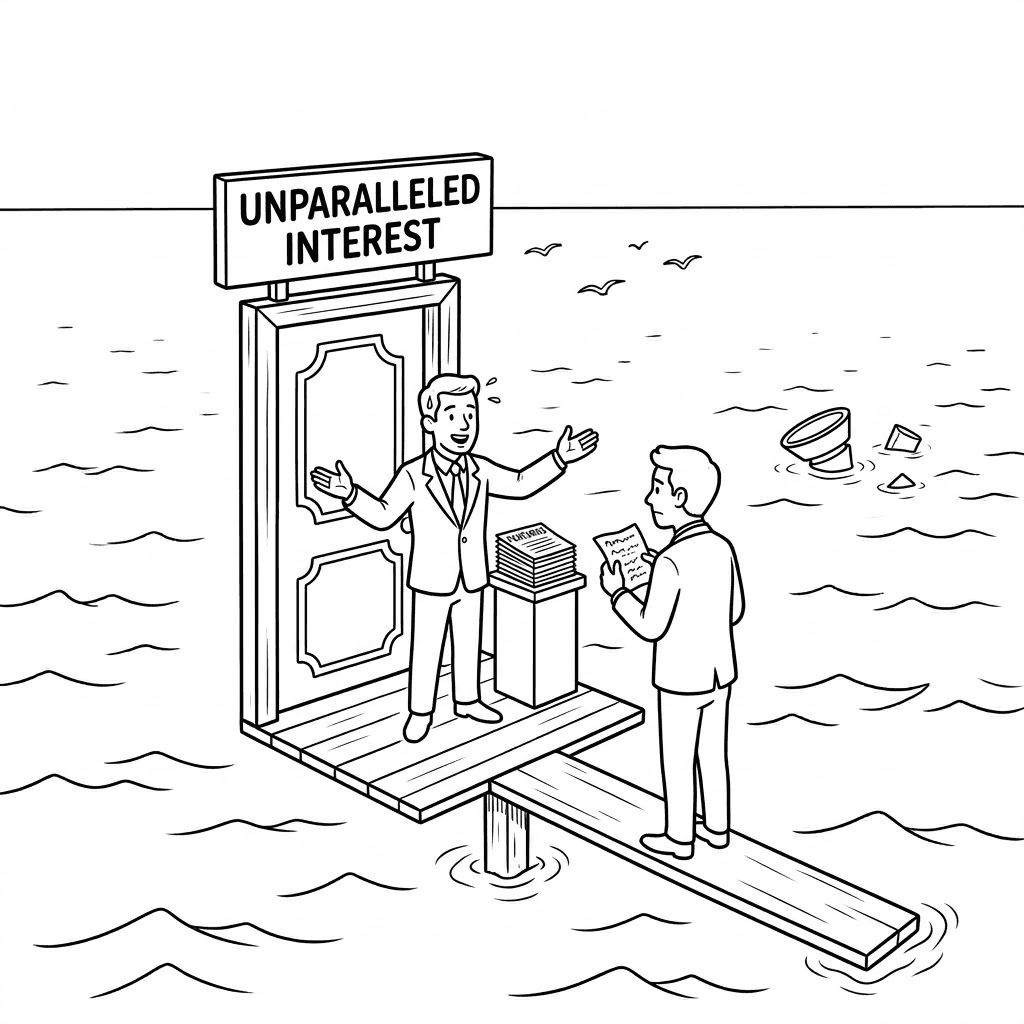
We were winning some deals. We just weren't converting at the rate a market leader with market-leading ideas deserved.
That gap didn't belong to any one person or department. It belonged to the model we were all running.
Sales has changed. The model hadn't.
There used to be time to tell the full story. The rep was the education. You showed up, created the moment, carried the narrative from first contact to close. The buyer needed you to explain the landscape.
That world is gone.
Buyers now educate themselves before you arrive. By the time someone calls six months after a conference, they've already searched. Already asked peers. Already formed an opinion about your company from whatever they could find. The moment you created didn't start their journey, it was a checkpoint in a process you were never invited to.
Reps test. Systems compound.
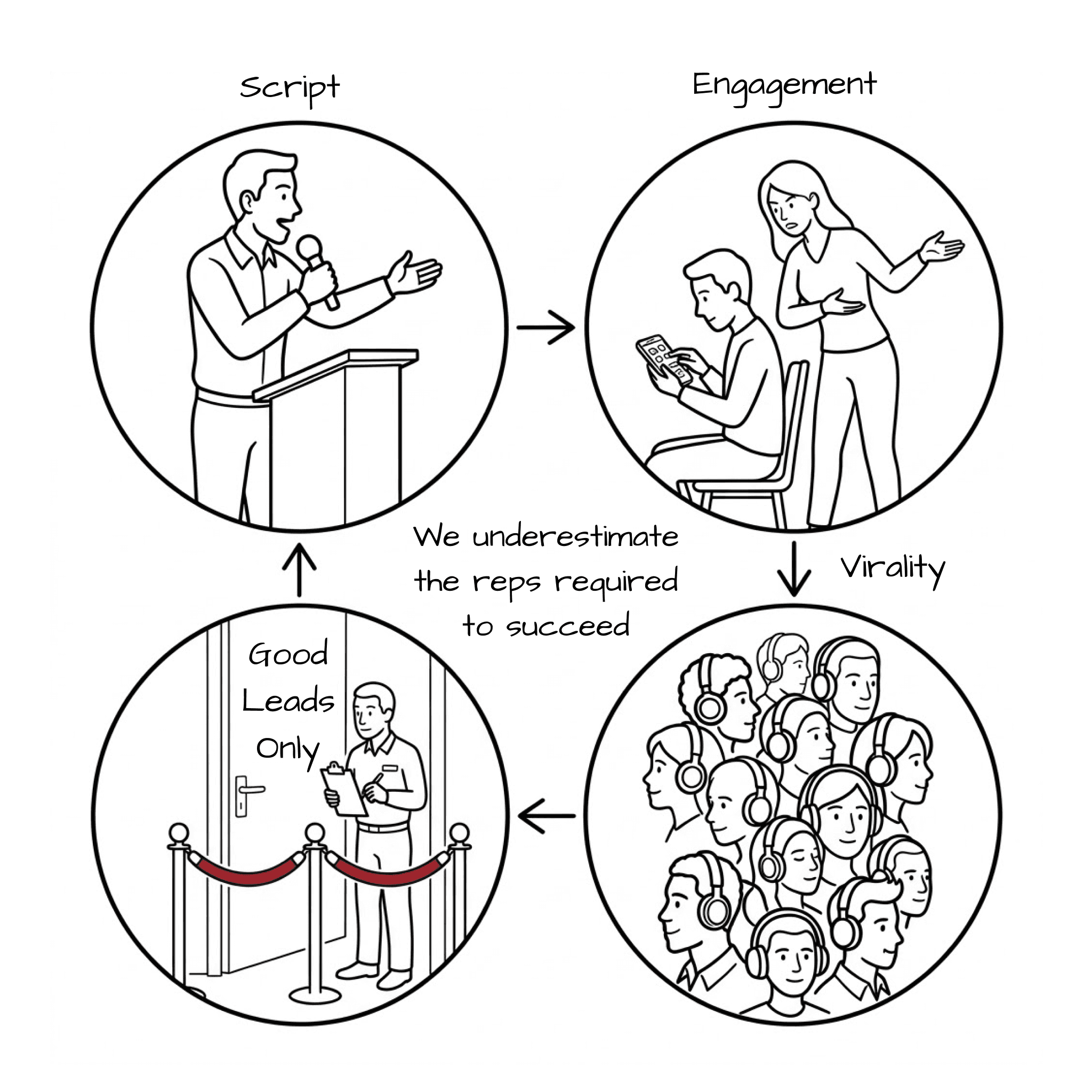
The device was a test that worked. Every elevated reading, every conversation, every call that came in months later — positive results. But a test with no system behind it can't compound. The result fires and fades.
The buyers who came in warm through the device needed somewhere to go online. Content that connected the moment to the company. That answered the questions they were already asking without us. That widened the conversation from a niche product to a category worth trusting.
Without that, the attention we created stayed attached to the device instead of the portfolio behind it. And new buyers, the ones who never met us at a conference, had no clear path to finding us at all.
This isn't about what went wrong. It's about what the new model requires.
What the system looks like today
The follow-up isn't a pitch. It's a continuation of the conversation they already started.
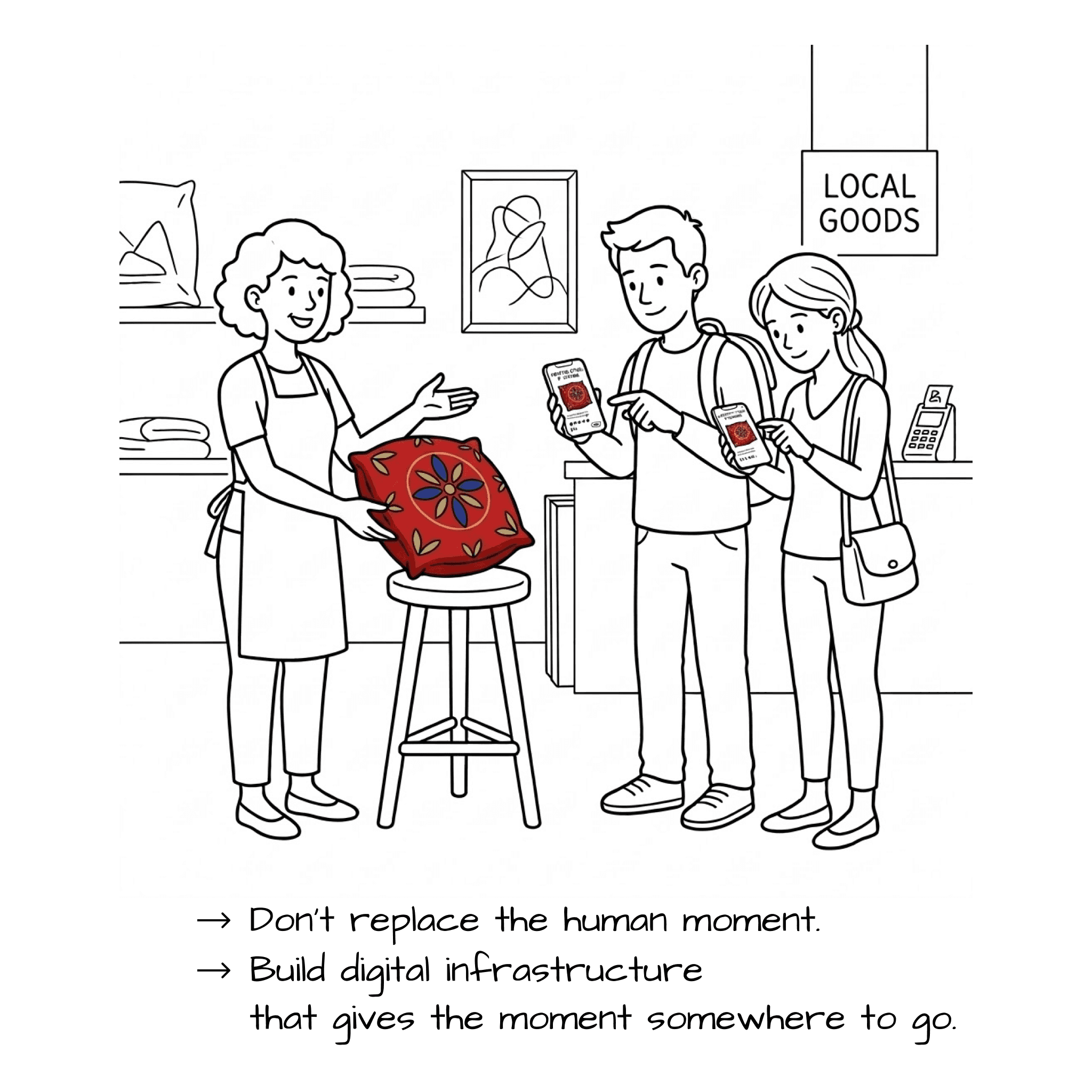
Content that maps to what they felt in that moment — curiosity, slight surprise, a question about their own data — and walks them naturally toward understanding what the organization does at scale. Not because we're selling. Because we're answering the question the moment created.
A forward-thinking company that approaches patient engagement differently, with a full range of services your study actually needs, should have that story somewhere findable. So that when someone remembers the device six months later and goes looking, they find a category leader — not just a clever gadget.
And that content isn't just for them. It's for the seven people on their buying committee who were never at the conference. The ones who hear "I met this company" and quietly go looking for confirmation before anyone schedules a demo.
That conversation doesn't happen in the room. It happens before the room exists.
What the field taught me
83% of the buying process happens without the seller present.
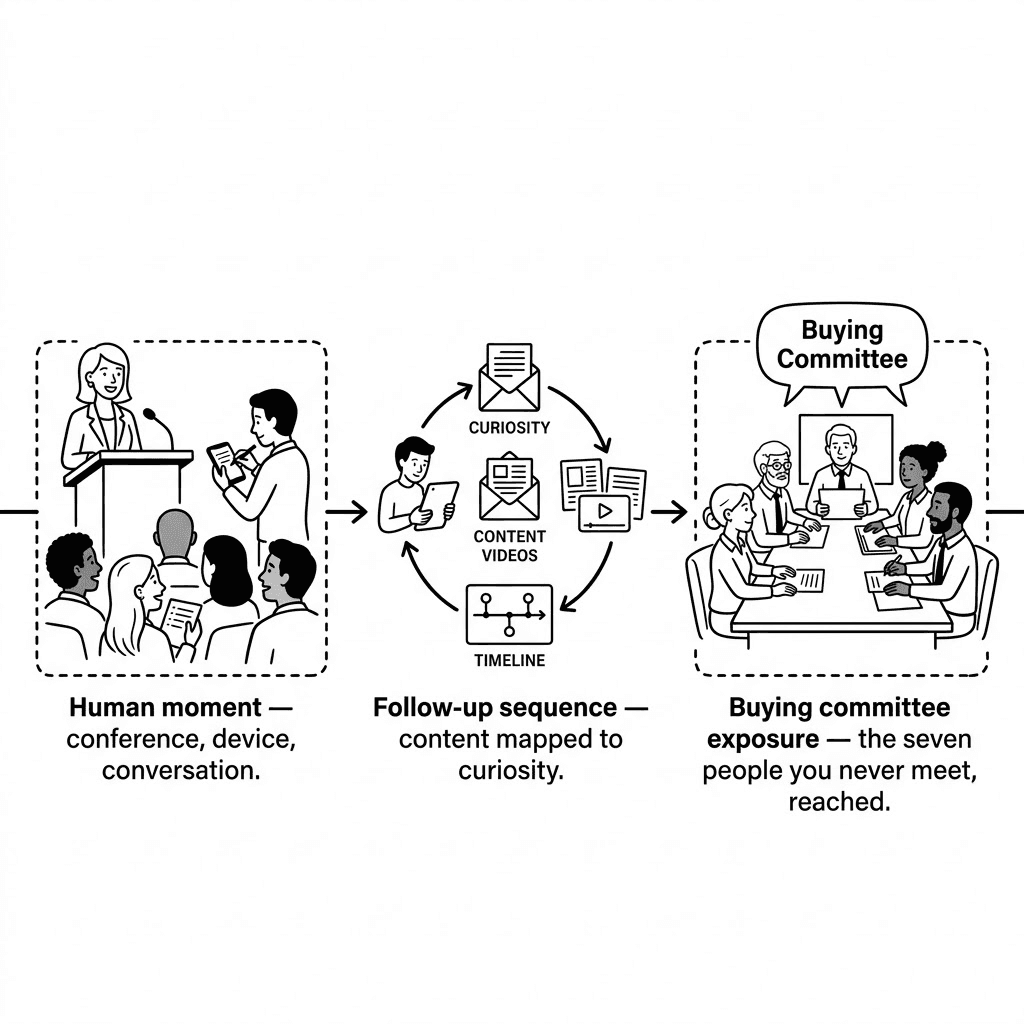
I knew that statistic before I understood what it meant in practice. It means the rep is absent for most of the decision. Which means the moments a rep creates, however good, are only as valuable as the system built to catch them.
What the field taught me is how to read the signals that system produces. A spike in web traffic before a purchase. An email open rate that climbs before a big demo. A champion going quiet in a way that means the buying committee just got involved. These aren't random. They're the buyer telling you where they are in a journey you can't see directly.
I learned to read those signals by being in the field when they fired. By winning some deals and leaving others on the table. By understanding, slowly, that the gap between the two wasn't effort, it was architecture.
The rep who understands both ends — the human moment and the digital signal — doesn't just create pipeline. They build the system that keeps it.
That's not two jobs. It's one if you find the right person. I spent years becoming that person without realizing it.
—
P.S. Article 7 is next. There is a moment every buyer hits when the demo is clean, the rep is polished, and you still have no idea if it works for you.
—
About the author
I write about how sales is changing and what I think we should do about it. These articles come from real deals, real losses, and two decades of figuring out what actually moves enterprise pipeline. If this was useful, you already have a sense of how I work.
Need time to digest? Have them delivered to your inbox over time.
8 Emails on how I think
The work behind the hire
(laughs included)
Sales is changing.
Most people feel it.
Here is what I did about it.
Contact