

They Liked Us. We Lost Anyway
5 of 8: The Digital to Human Connection
We had the kind of software that made people lean forward.
Clean UX. Intuitive builds. Visual design that reminded you something in clinical trials didn't have to look like it was built in 2009. Our remote patient monitoring solution was purpose-built for decentralized trials.
Then Covid waned. Sites pulled patients back in-house. The window we'd been built for was closing.
My VP saw something the rest of us hadn't. He made a call that changed how I think about selling.
He turned the laptop around.
The pivot that opened the door
Instead of pitching features, we started showing the build. Live. In the room. A SaaS configuration that used to take weeks happening in minutes in front of the customer's eyes.
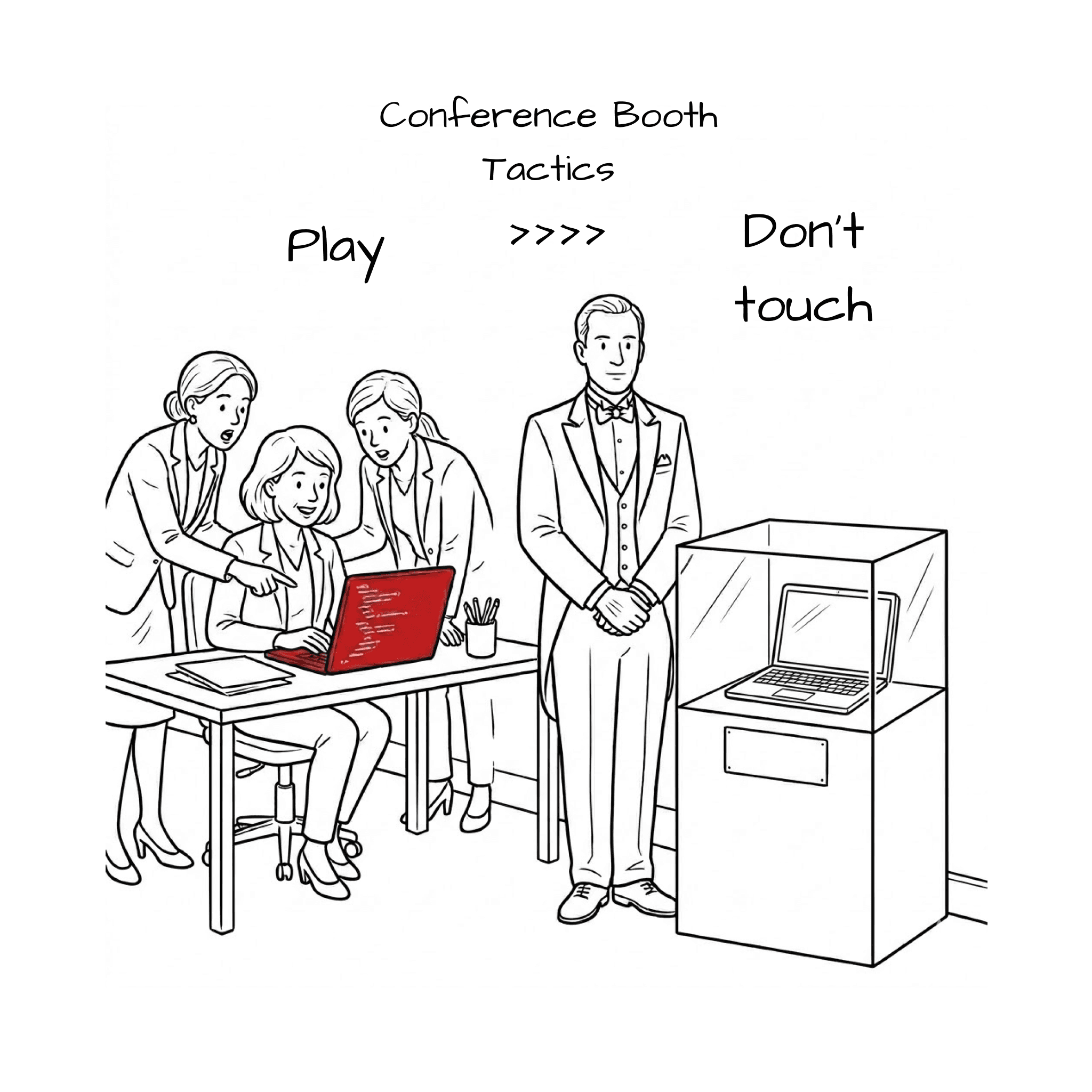
Very few people in our space were being this vulnerable.
Innovation teams leaned in. We were even courted as a white-label solution by one of the largest clinical trial software providers in the industry.
The product had cleared the first threshold: They believed it worked.
But belief isn't adoption..
The Gap Nobody Budgeted For
When deals got serious, customers liked us and had no idea how to implement us.
Not because they weren't smart. Because the moment a deal gets real, the room changes.
The innovation lead who invited you in brings in their operators. Clinical development, data management, clinical operations, statistics, etc. People whose entire professional identity is built around not breaking things that work in a regulated environment.
They watched the same demo. And that's exactly when it stopped feeling like an advantage.
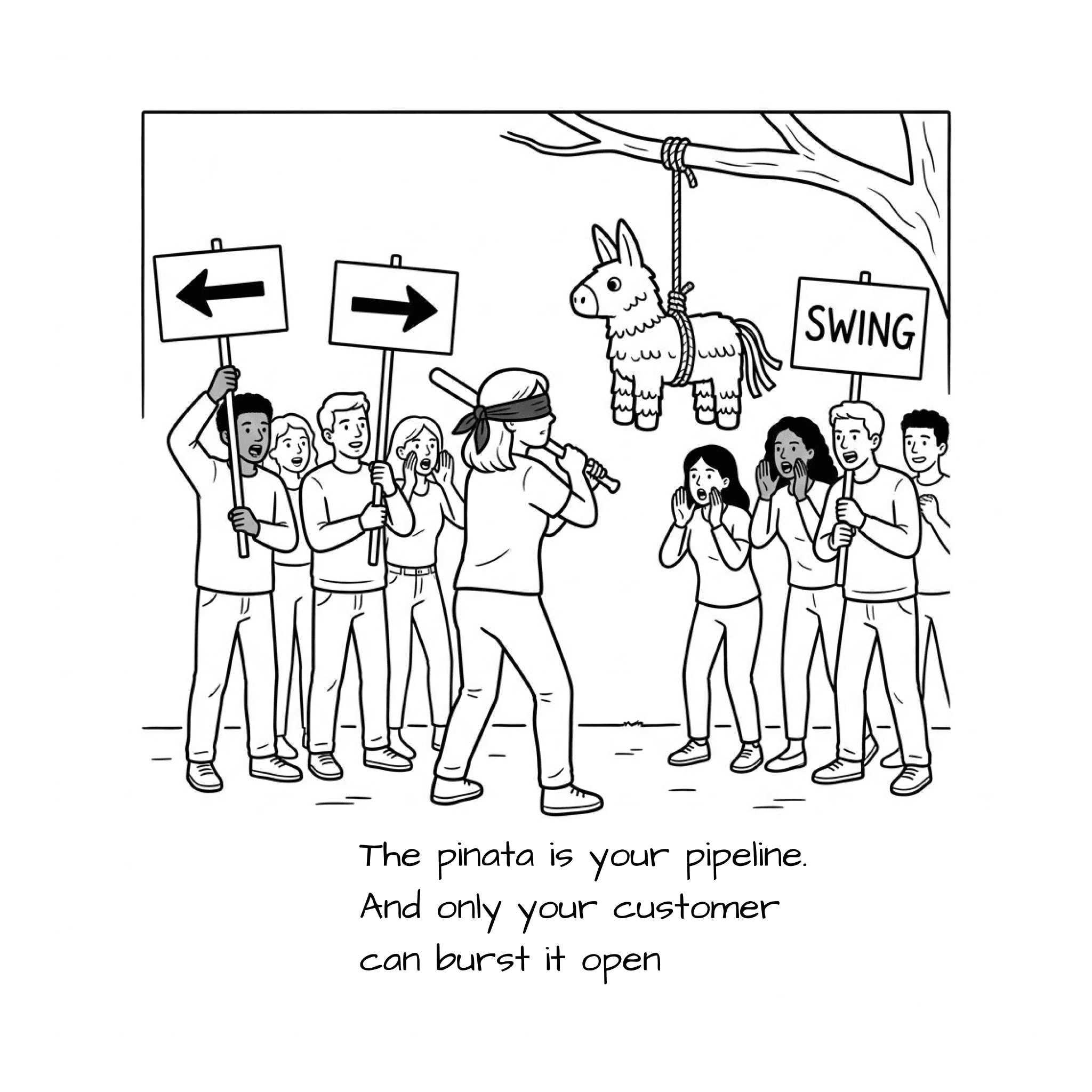
Speed reads as a shortcut. Shortcuts in a regulated environment read as risk. The question forming in every operator's mind isn't can this work — it's what happens to our SOPs when it does.
That's not skepticism. That's their job.
The Narrow Window
Before a sale closes in eCommerce, web traffic spikes. Without fail. The customer is self-educating and you're not in the room for it. B2B hides this signal. But it's the same behavior.
When a champion went quiet before a big demo, I started treating it the same way. I'd reach out asking what their team wanted to see. The responses always came back generic. They just want to see how it works. Which sounds casual until you realize the room they're describing seats ten people across five functions, each carrying a different version of the same unspoken question.
What if I had stopped asking and started answering?
I started experimenting with email flows ahead of the demo that were short and specific. Designed to bring everyone on the same page about features and benefits. However, it was too late. Our time was up.
Now, I think about about primer emails about workflow mapping, implementation support, and trust on the table before operators had to raise it live. Not because I wanted to avoid the questions. Because I wanted them in the room with me, not resolved in a Slack channel after I left.
If operators answer their implementation anxiety privately — without you — the incumbent wins without making a single argument. They don't need to earn the renewal. They just need the alternative to feel uncertain.
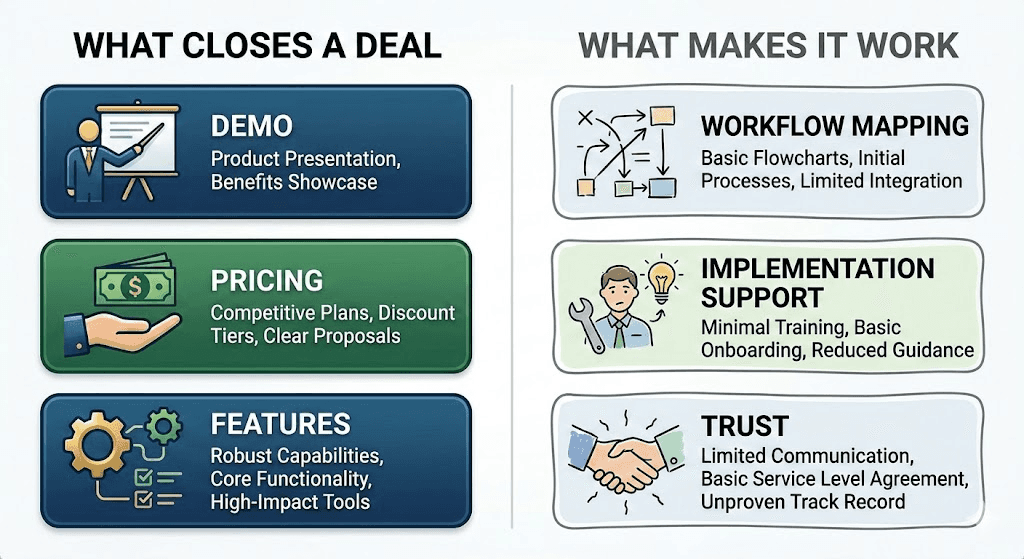
For large pharma, this is formalized. RFPs come with scoring categories broken out by The narrow window is too valuable to spend re-educating people who are already interested in the product. Use it to make implementation feel inevitable. Concrete. Already mapped.
That's the conversation nobody owned in our case and eCommerce taught me can increase your close rates north of 80% for sales-qualified-leads once implemented.
What that conversation actually costs — and what it's worth
We flagged it internally. Asked Operations to help map the implementation path. Three months later an acquisition arrived — a European CRO with no US expansion plan and no mandate to solve the problem we'd identified.
We were let go.
And as we walked out, the whole team agreed on one thing: management had just released their market lead. Not because the product failed. Because nobody owned the conversation that turns a promising relationship into a working one.
The case for investing in customer implementation is a case for managing how revenue is earned today in exchange for compounding returns tomorrow. It requires believing that what you learn from one customer's adoption friction will reshape how you sell the next ten.
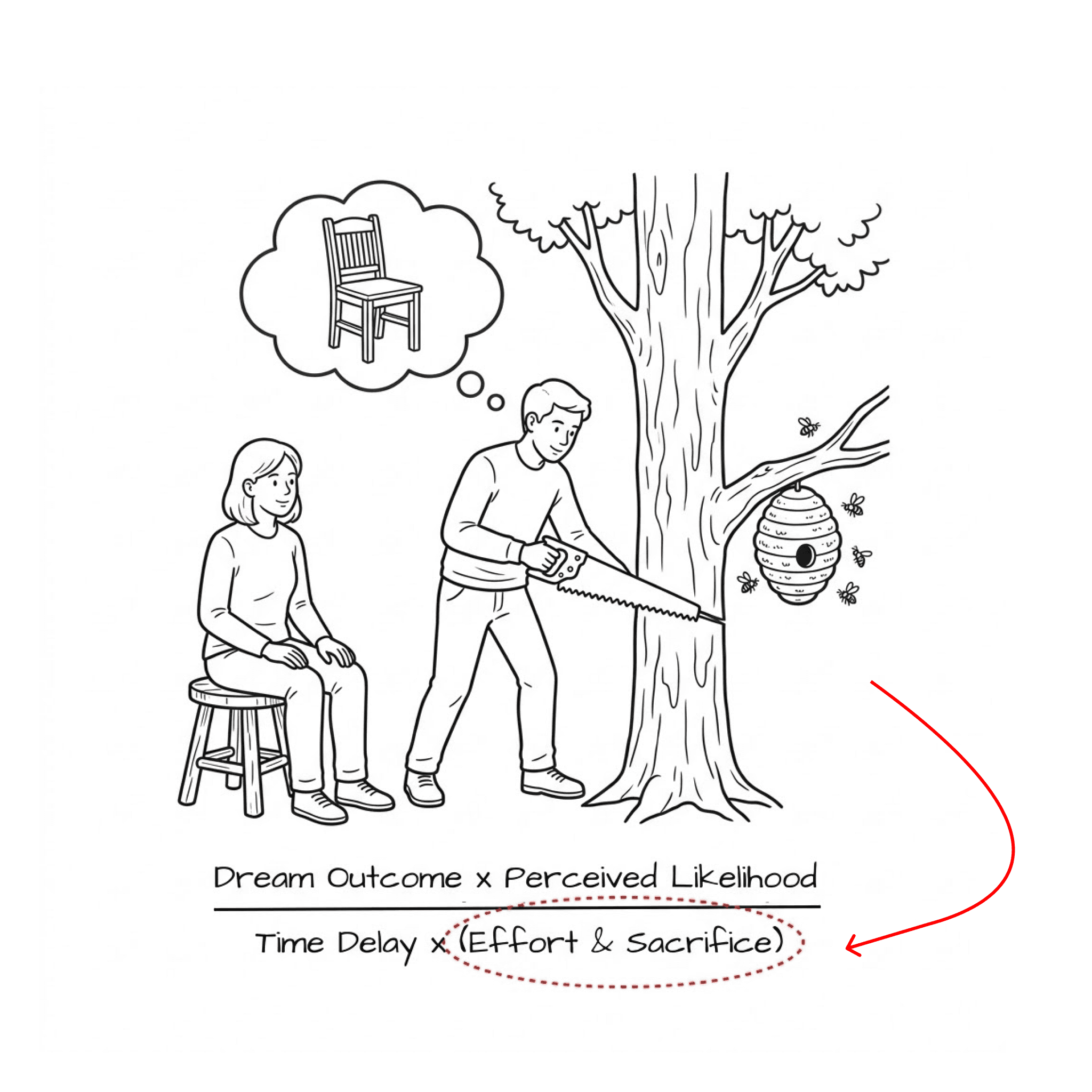
The customer who successfully adopts becomes your case study. Your referral. Your proof that the product works in the real world. That compounding return — on trust, on pipeline, on the quality of every relationship that follows — is worth more than any deal closed on the back of a dazzling demo.
Don't lose your conversation.
Every warm conversation is a data point. Every implementation challenge is a lesson. Every customer who figures out how to use you is a template for the next one.
The companies that figure out who owns that process — and give them the mandate to prioritize the long conversation over the quick close — end up with something competitors can't replicate.
Not a product. A pipeline of relationships that teach you how to sell.
—
P.S. Article 6 is next. I was creating pipeline I didn't know how to keep. Here is how the gap between effort and architecture can affect your pipeline.
—
About the author
I write about how sales is changing and what I think we should do about it. These articles come from real deals, real losses, and two decades of figuring out what actually moves enterprise pipeline. If this was useful, you already have a sense of how I work.
Need time to digest? Have them delivered to your inbox over time.
8 Emails on how I think
The work behind the hire
(laughs included)
Sales is changing.
Most people feel it.
Here is what I did about it.
Contact