
The 20% Nobody Wants
3 of 8: The Digital to Human Collection
This fluffy attachment fits over an NFL helmet and reduces impact by up to 20%. In a sport where CTE is an existential crisis, you'd think every player would sprint to put one on.
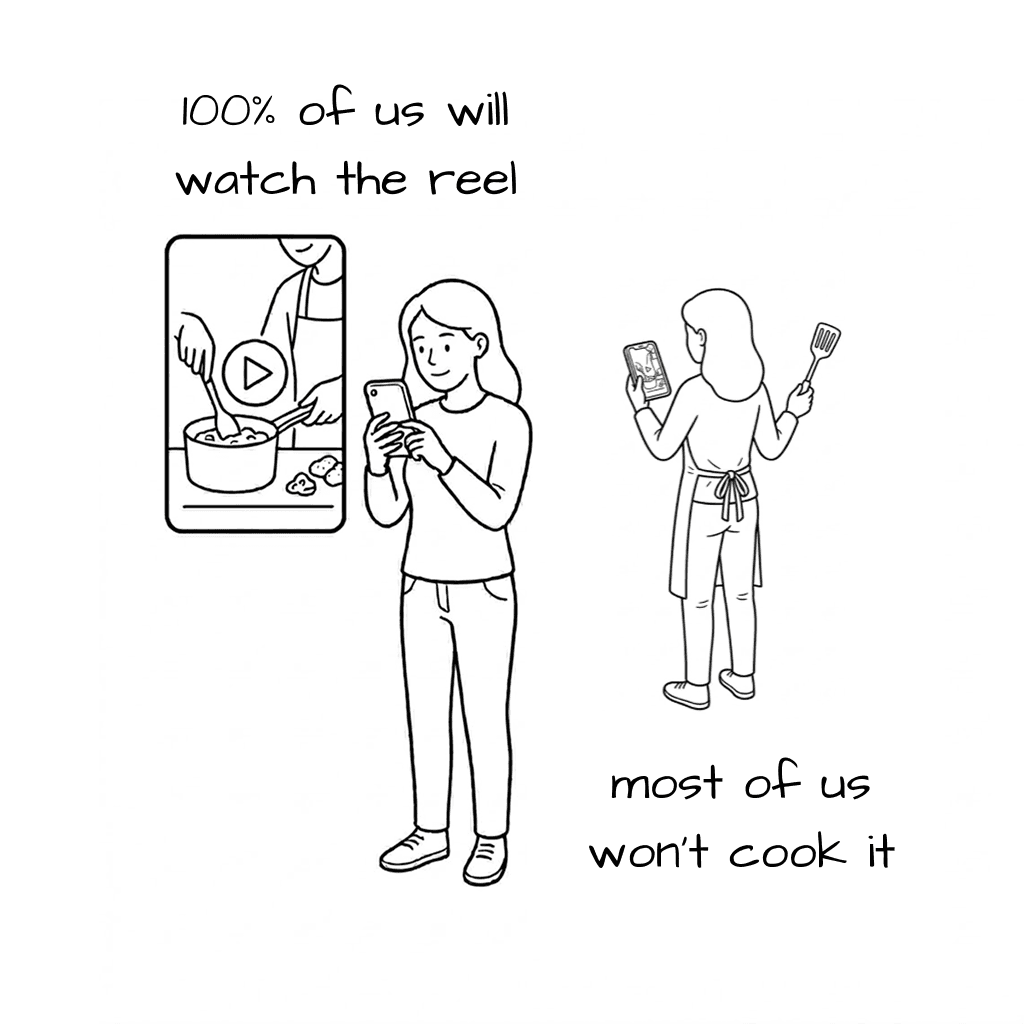
Most won't touch it.
Science can prove it works. That's not enough.
The same thing is killing sales cycles in clinical trials, SaaS, and every industry where a better solution exists and isn't winning.
The problem isn't the math. It's the mirror.
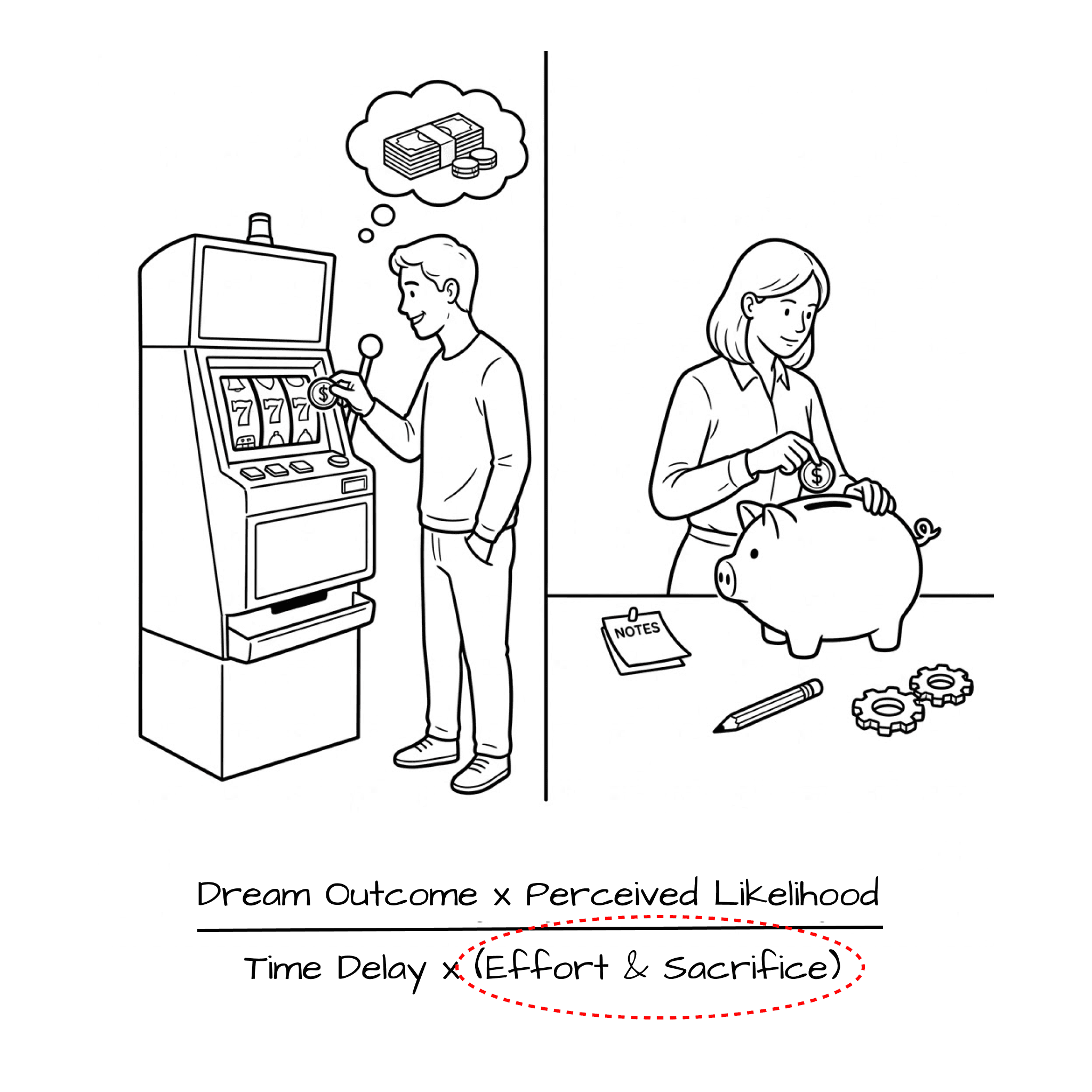
Most strategies focus on the top half.
Make the dream bigger. Make success seem more certain.
But the harder work lives in the bottom half, specifically in one word most people skip past: sacrifice.
In this example it was the: Social Cost. What does saying yes to this new thing cost me in how I'm perceived?
For an NFL linebacker, the Guardian Cap signals something: I'm the guy who needs extra protection. In a culture built on projected invincibility, that signal costs more than the injury risk saves.
The math says wear it. The mirror says don't.
That's not irrationality. That's a fully rational calculation, just not the one the scientists ran.
Y-Combinator understood this. Your pitch probably doesn't.
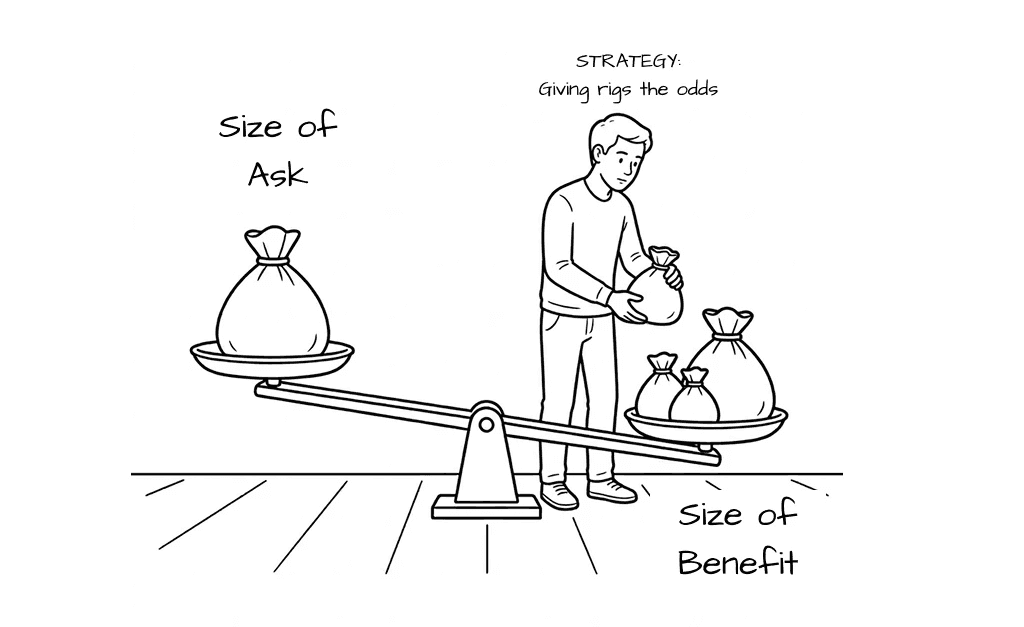
YC pushes startups toward 10x improvement because 10x is the threshold where the social cost of switching feels worth it. Two times better and the buyer has to explain to their team why they're changing something that wasn't broken. Ten times better and the conversation becomes: we'd be silly not to.
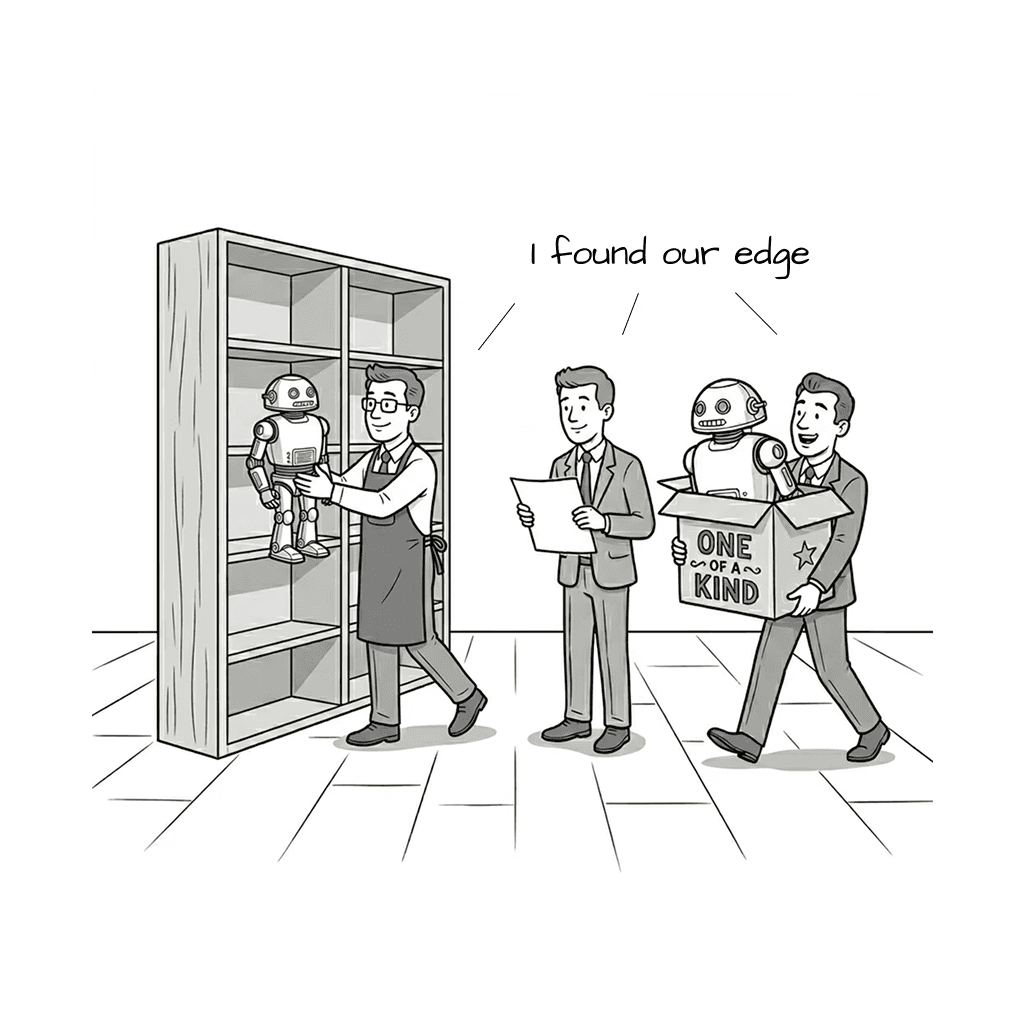
But here's what the 10x framing obscures: YC also tells founders to start in a niche so small the social stakes are low. Dropbox didn't ask you to rethink file management. It asked you to try one folder.
The 10x was the reason to want it. The niche was the reason it felt safe to try.
Warren Buffett takes the 20% yearly gain without hesitation — not because he's more rational than an NFL linebacker, but because compounding quietly in Omaha costs him nothing socially.
He doesn't have a locker room watching.

(A fascinating read that highlights how the culture of influence all share the same traits. So why do some of us get to ask people for everything while the rest of us work for concepts like share of wallet)
The adoption problem isn't the size of the benefit. It's the size of the ask.
In clinical trials, the psychological barriers are everywhere. A sponsor switching CRO partners isn't just making an operational decision, they're making a statement to their internal stakeholders. A site coordinator adopting a new platform isn't just installing software, they're taking on the reputational risk of the transition failing.
Science doesn't close that gap. Marketing does, but only if it's asking the right question.
Before your next pitch, ask one question:
What does saying yes cost the person in front of me , in how they see themselves, and how others see them?
That's the variable most funnel builders never calculate. And it's usually the one that decides the deal. Determines if you will replace an incumbent.
The Guardian Cap works. The science is there.
The problem was never the helmet. It was the story around who wears one and nobody went to work on that story early enough.
That's the job.
—
P.S. Article 4 is about why your rep can do something your brand never could. And why that distinction matters more than your next campaign.
—
About the author
I write about how sales is changing and what I think we should do about it. These articles come from real deals, real losses, and two decades of figuring out what actually moves enterprise pipeline. If this was useful, you already have a sense of how I work.
Need time to digest? Have them delivered to your inbox over time.
8 Emails on how I think
The work behind the hire

(laughs included)
Sales is changing.
Most people feel it.
Here is what I did about it.
Contact