
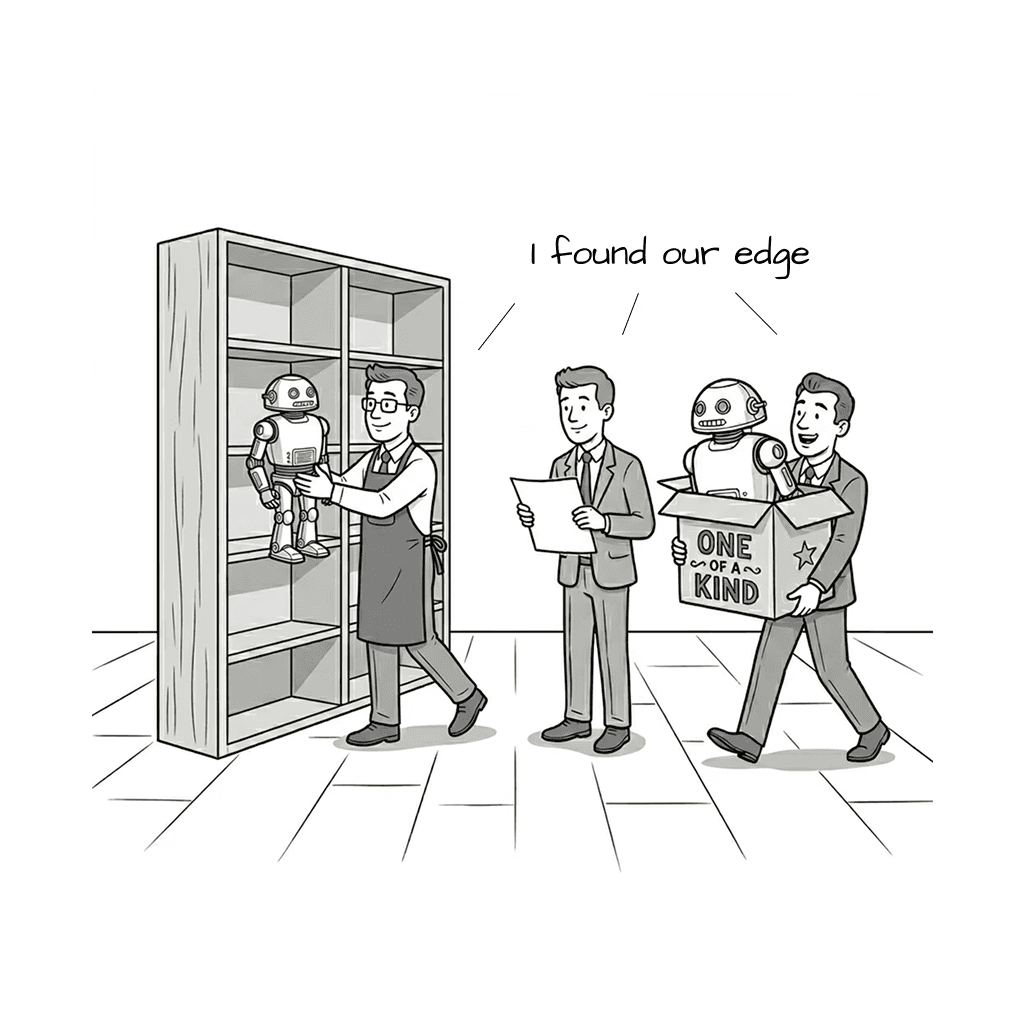
The Cost Collapsed. The Advantage Didn't.
2 of 8: The Digital to Human Connection
An MIT researcher made an observation I can't shake: when the cost of doing something collapses by 1,000x, any organization that doesn't adopt the technology faces an existential disadvantage.
Here is the good news: All you have to aim for is the number two. Let me explain.
Cheap tools. Expensive judgment. That's the new dividing line.
The software that cost your marketing department six figures five years ago now costs less than your team's coffee budget. Email platforms, CRM tools, AI-assisted content, and audience targeting are available to everyone, at almost no cost.
That should excite you. It should also terrify you.
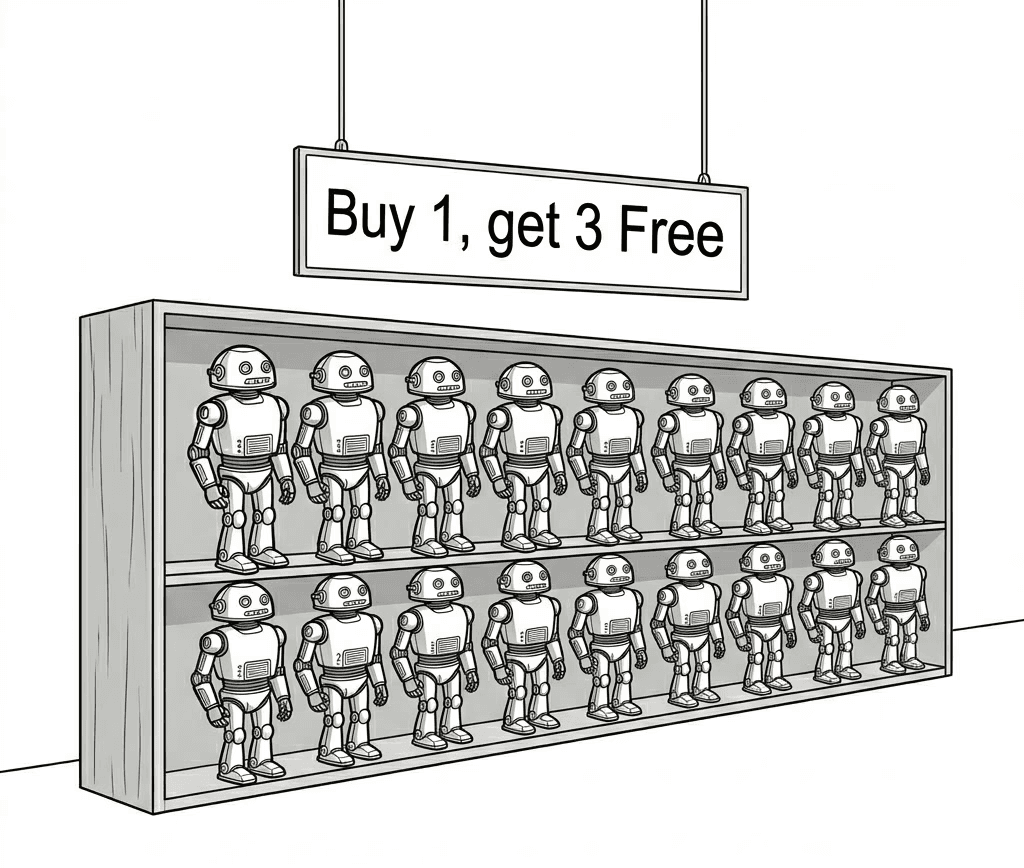
Because if everyone has access to the same tools at the same price, the tools aren't your advantage. They're table stakes. Software will deliver you an email list for the same price it delivers one to your competitor.
The question is no longer can you reach your buyer. It's what happens when everyone does.
What eCommerce Taught Me About B2B
In the last article, I told you about a deal decided before I walked in the room. That loss planted something.
In 2024, I started an eCommerce company. No playbook. I failed early and often. But I noticed something: the market didn't punish bad attempts. It just ignored them. What it rewarded was showing up again.
By 2025, I was collecting 500 emails a week at 30 cents each. Contrast this to 2023 where a single introduction took weeks of effort.
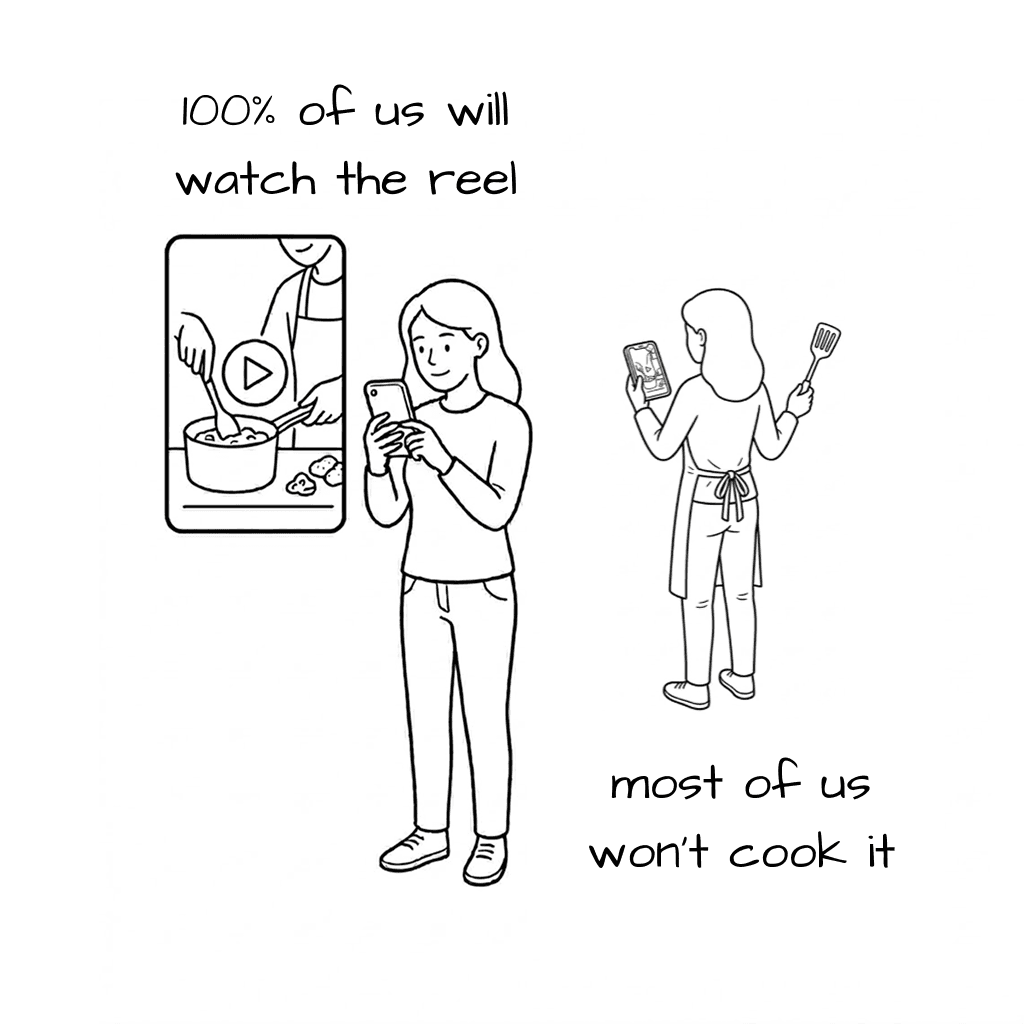
But I realized the emails weren't meaningful. The addresses were easy to obtain and content was even easier to deliver. What moved the needle was getting people to come back. You see, every return visit increased the probability of conversion.
This was the secret. A simple jump from once (1x) to twice (2x) increases the probability of them buying.
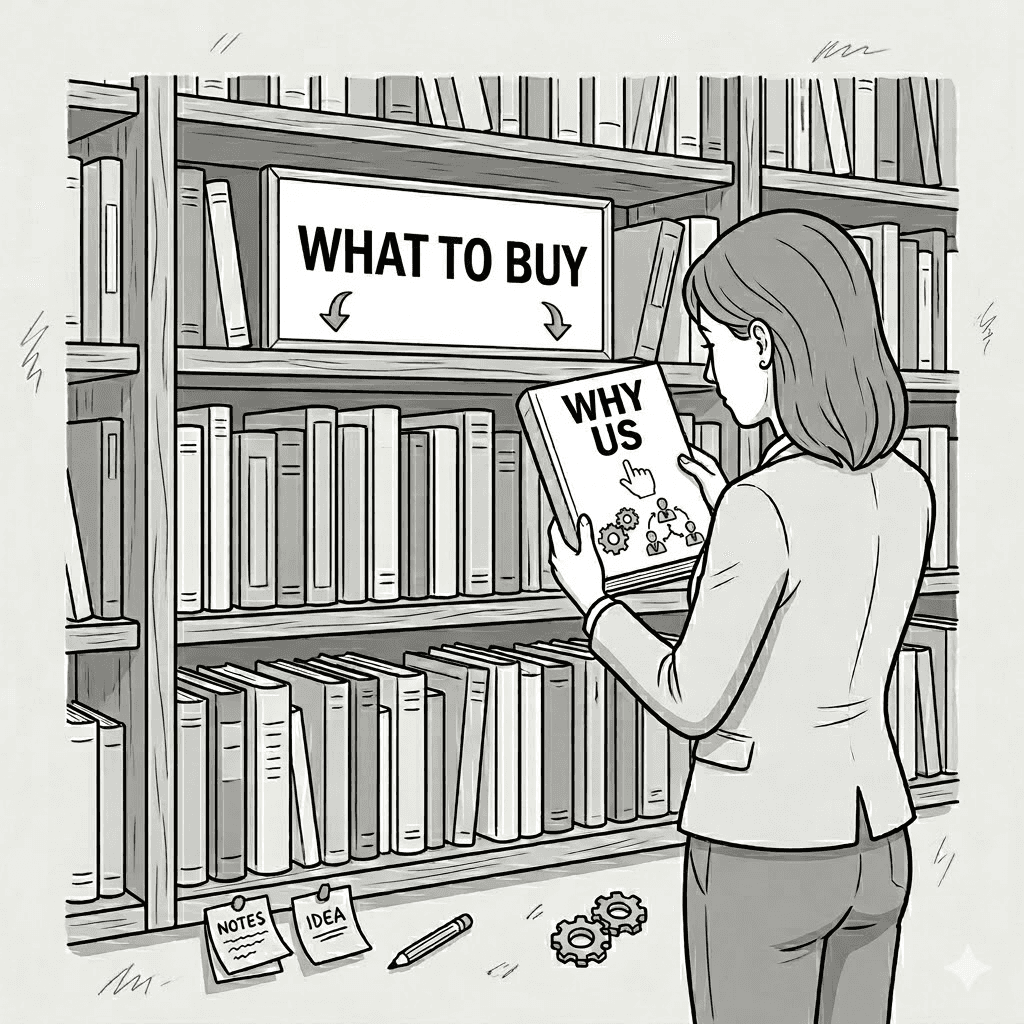
Give Before You Ask
Cialdini's principle of reciprocity: people return value to those who give it first.
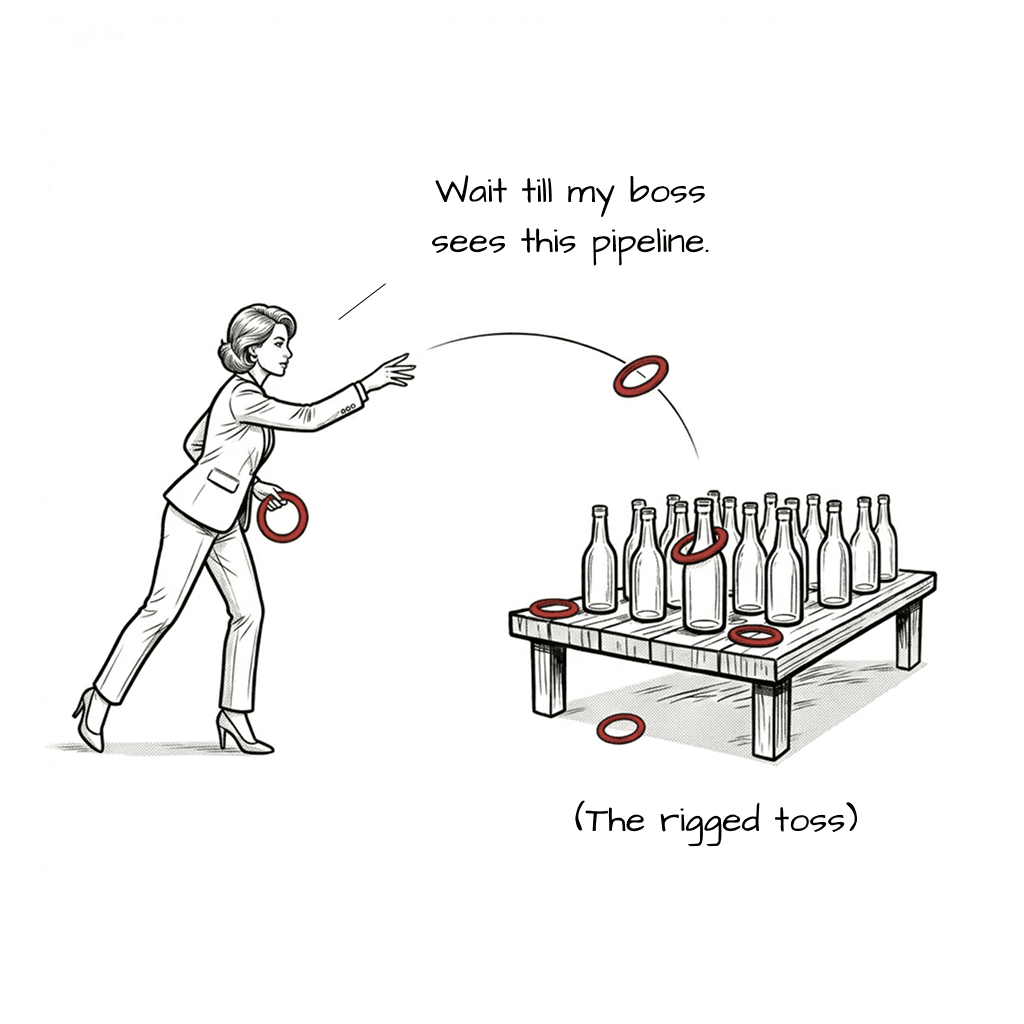
In eCommerce, that looked like a sizing guide, comparison post, or something useful before the ask. Every time I gave first, the customer came back. Every time I led with the ask, silence.
In clinical trials, the psychology is identical but you need 8-10 buyers to be on the same page. Most of them are forming opinions months before they send an RFP. Either in private conversations, peer recommendations, LinkedIn feeds, conference hallways or the worst one, not at all. The dark funnel.
The funnel that shows up in those moments with a perspective — not a pitch — is giving before asking. That's how you earn the return visit in B2B.
How Are You Getting From One To Two?
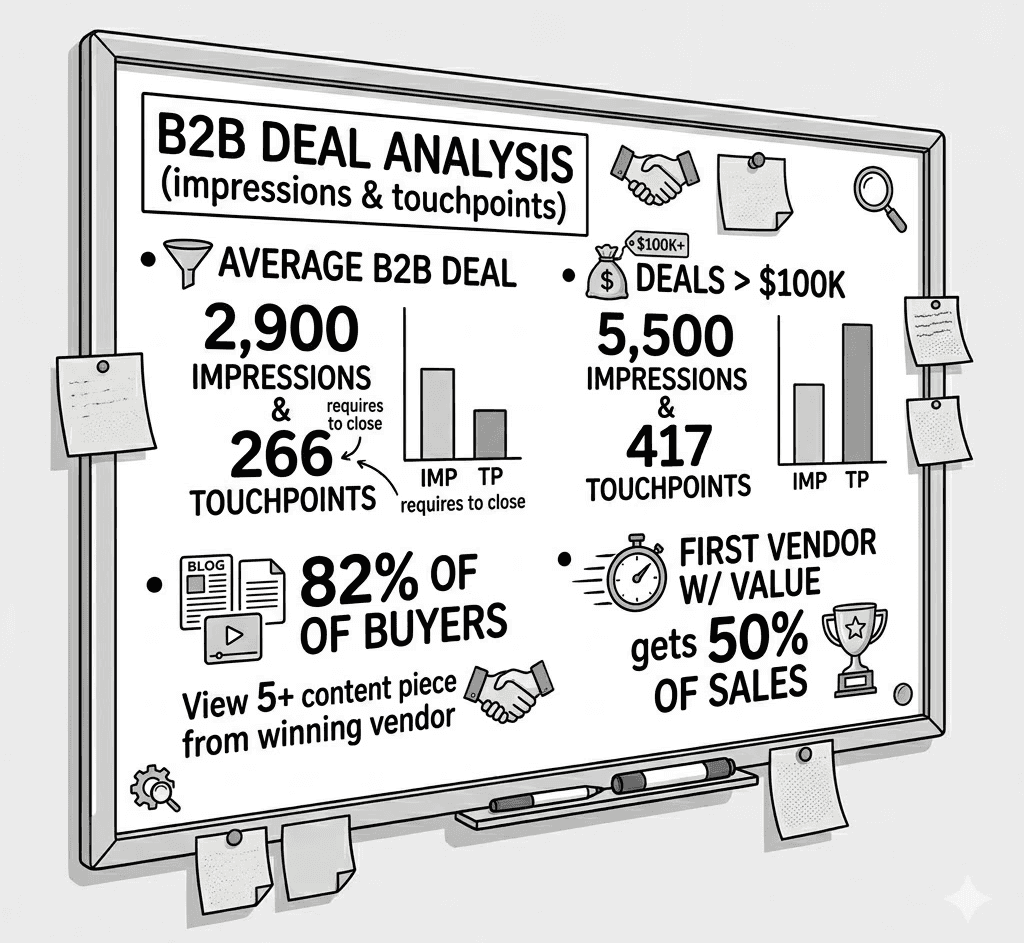
And then two to three? 4 out of 5 B2B deals are won by the buyer's pre-contact favorite. 83% of the buying process happens without you in the room.
Which of your accounts are currently educating themselves about you?
If the answer is "I don't know," that's not a technology problem. It's a visibility problem. And the tools to solve it have never been cheaper.
What's expensive is the judgment to use them well.
—
P.S. Up next in Article 3: the best solution doesn't always win. An NFL story explains why and it has everything to do with your next pitch.
—
Sources:
Image 2: HockeyStack Labs 2024; Sellers Commerce; Kondo/Forrester; EmailToolTester 2025)
About the author
I write about how sales is changing and what I think we should do about it. These articles come from real deals, real losses, and two decades of figuring out what actually moves enterprise pipeline. If this was useful, you already have a sense of how I work.
Need time to digest? Have them delivered to your inbox over time.
8 Emails on how I think
The work behind the hire
(laughs included)
Sales is changing.
Most people feel it.
Here is what I did about it.
Contact