They Liked Us. We Lost Anyway
Dhruv Wadhwa
·
5 of 8: The Digital to Human Connection
·
We had the kind of software that made people lean forward.
Clean UX. Intuitive builds. Visual design that reminded you something in clinical trials didn’t have to look like it was built in 2009. Our remote patient monitoring solution was purpose-built for decentralized trials.

Then Covid waned. Sites pulled patients back in-house. The window we’d been built for was closing.
My VP saw something the rest of us hadn’t. He made a call that changed how I think about selling.
He turned the laptop around.
The pivot that opened the door
We stopped pitching features and started showing the build. Live. In the room. A SaaS configuration that used to take weeks happening in minutes in front of the customer’s eyes.
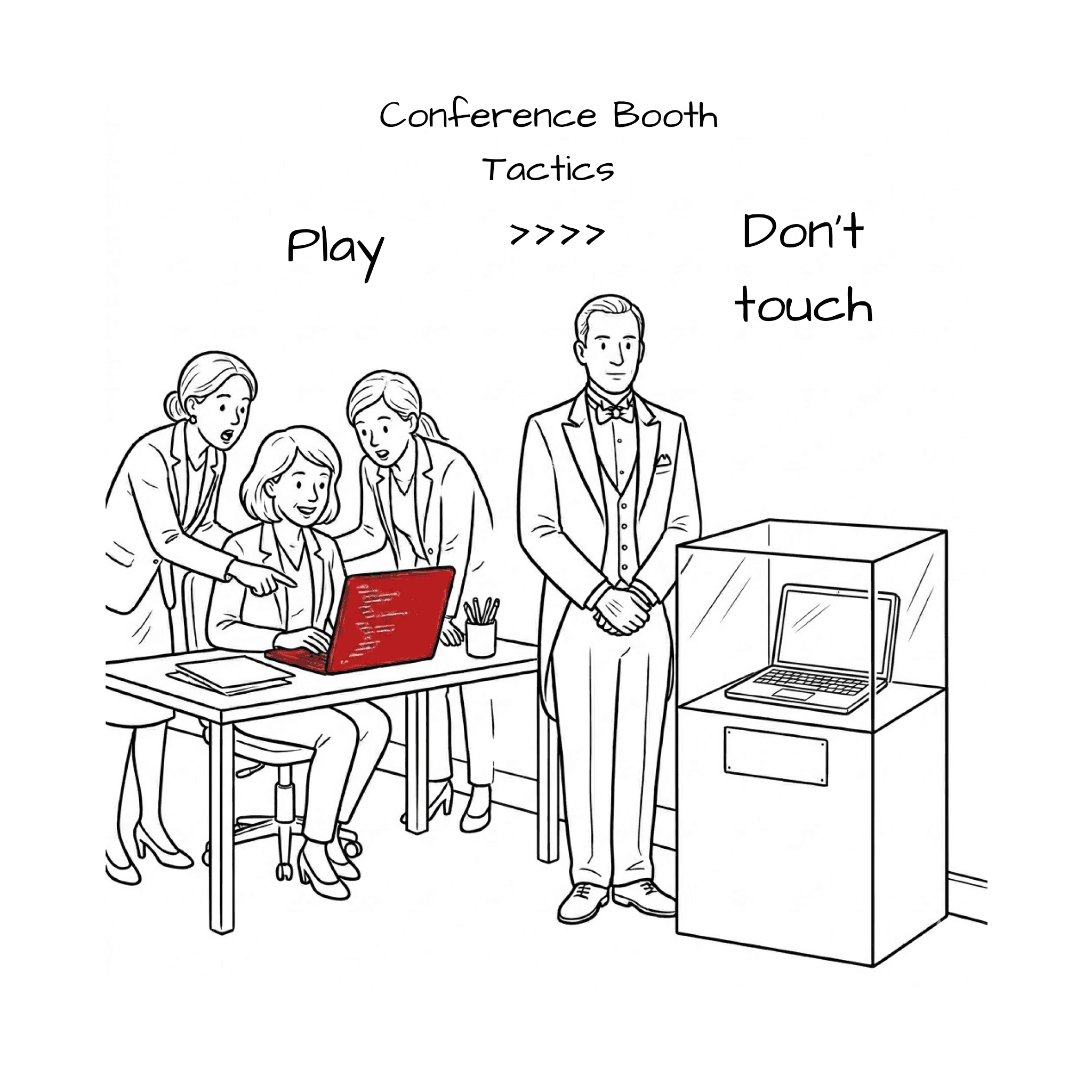
Very few people in our space were being this vulnerable.
Innovation teams leaned in. We were even courted as a white-label solution by one of the largest clinical trial software providers in the industry.
The product had cleared the first threshold: they believed it worked.
But belief isn’t adoption.
The Gap Nobody Budgeted For
There’s an equation for why: Dream Outcome times Perceived Likelihood, over Time Delay times Effort and Sacrifice. The demo maxes out the top. It does nothing for the bottom.
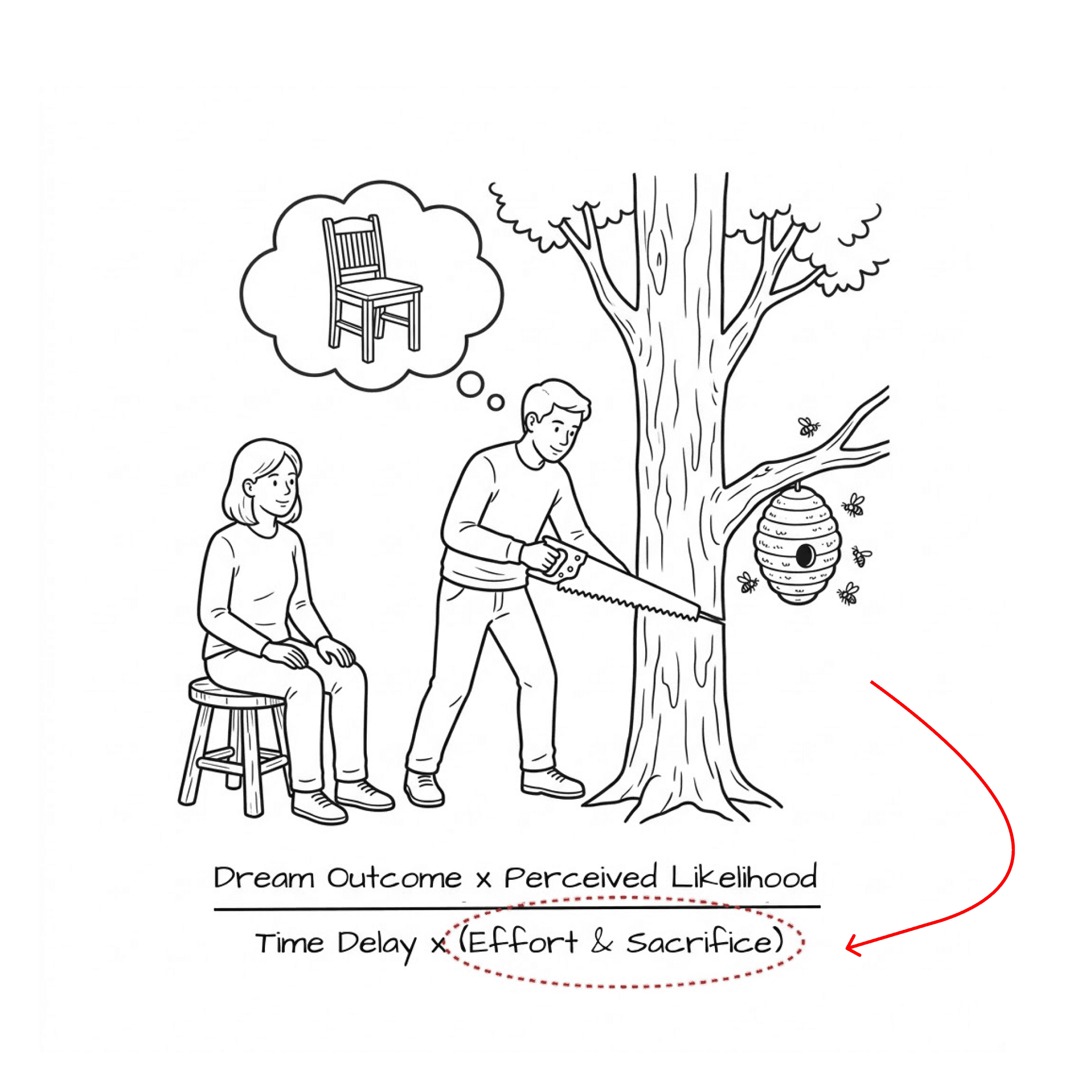
The bottom is the mirror we talked about, plus something the mirror alone doesn’t cover: actual hours. For an operator in a regulated environment, saying yes costs reputation (nobody wants to be the one who broke something) and it costs real work: SOPs rewritten, staff retrained, data pipelines audited. We’d priced the top half. Nobody on our side priced the bottom.
When deals got serious, customers liked us and had no idea how to implement us. The room changes the moment a deal gets real, regardless of how smart anyone in it is.
The innovation lead who invited you in brings in their operators: clinical development, data management, clinical operations, statistics. People whose entire professional identity is built around not breaking things that work in a regulated environment.
They watched the same demo. And that’s exactly when it stopped feeling like an advantage.
Speed reads as a shortcut. Shortcuts in a regulated environment read as risk. The question forming in every operator’s mind isn’t can this work, it’s what happens to our SOPs when it does.
That’s the job: protecting a regulated environment from things that look fast.
The Narrow Window
Before a sale closes in eCommerce, web traffic spikes without fail. The customer is self-educating, and you’re not in the room for it. B2B hides the same signal, but it’s the same behavior.
I noticed it when a champion went quiet before a big demo. I’d ask what their team wanted to see. The answer always came back the same, generic line: they just want to see how it works. Then you’d realize that room seated ten people across five functions, each carrying a different version of the same unspoken question.
That room needed most of its education before the demo ever started. eCommerce solves this by sequencing it: an email that frames the category, then one that compares options, then one that answers the objection nobody said out loud. We had ten stakeholders in one room, live, cold, expected to absorb workflow, SOP, and data-governance questions in real time.
I wanted those questions in the room with me before the room ever filled, not resolved in a Slack channel after I left.
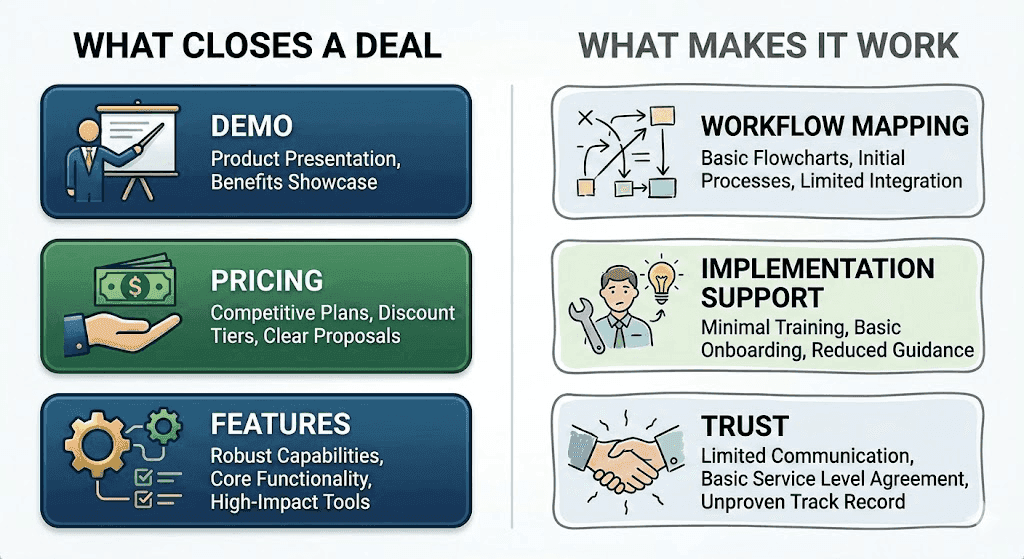
If operators answer their implementation anxiety privately, without you, the incumbent wins without making a single argument. They don’t need to earn the renewal. They just need the alternative to feel uncertain.
What that conversation actually costs — and what it’s worth
months later an acquisition arrived: a European CRO with no US expansion plan and no mandate to solve the problem we’d identified.
We were let go.
As we walked out, the whole team agreed on one thing: a market lead had just been let go.
Nobody owned the conversation that turns a promising relationship into a working one. The product was never the issue.
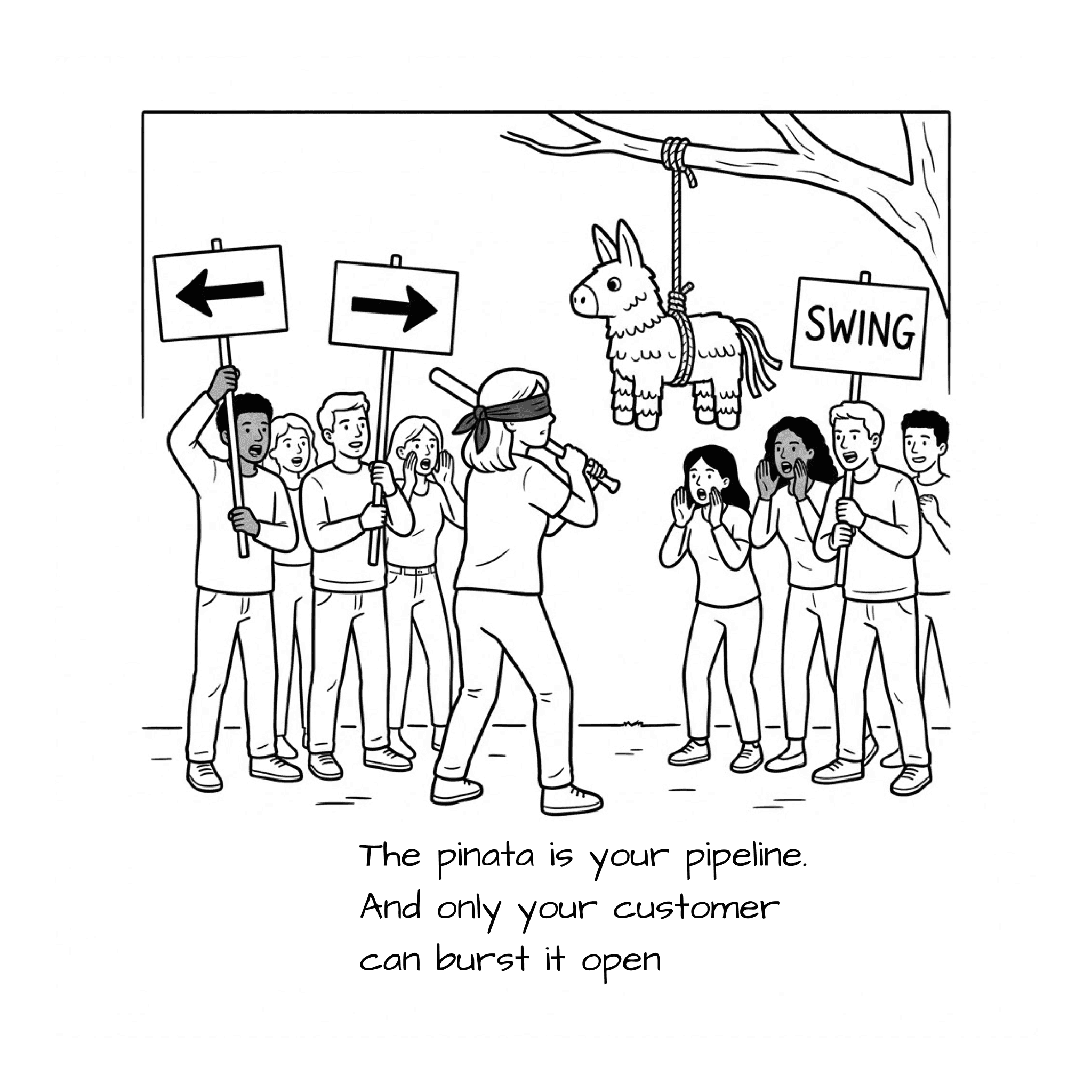
Implementation work rarely shows up in this quarter’s number. It shows up compounded, deals later, as the case study that closes the next one. That’s worth more than any deal closed on a dazzling demo alone.
The companies that figure out who owns that conversation, and give them a mandate to prioritize it over the quick close, end up with something competitors can’t replicate: a pipeline of relationships that teach you how to sell.
—
P.S. Article 6 is next. I was creating pipeline I didn’t know how to keep. Here is how the gap between effort and architecture can affect your pipeline.
—